Techno Wave: Evaluating the Fit of a Y2K-Inspired Typeface for Modern Design Projects
In the rapidly evolving landscape of digital design, typography serves as more than just a vehicle for text; it is a primary communicator of brand identity and cultural context. Among the myriad of typefaces available today, Techno Wave has emerged as a distinctive option for designers seeking to bridge the gap between nostalgic early 2000s aesthetics and contemporary digital clarity. This article explores the specific characteristics of Techno Wave, analyzes its practical applications, and compares its utility against other stylistic approaches to help you determine if it aligns with your project goals.
Defining the Aesthetic: What Sets Techno Wave Apart
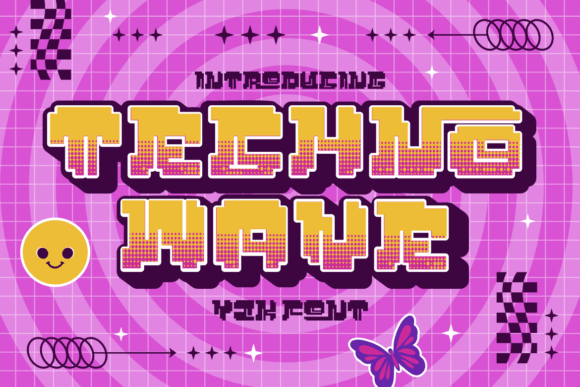
Techno Wave is not merely a retro font; it is a deliberate reinterpretation of the Y2K era’s visual language. Unlike traditional serif or sans-serif fonts that prioritize invisibility and readability above all else, Techno Wave embraces a bold, pixelated structure that demands attention. Its design is rooted in the geometric forms and grid-like structures that defined early computer interfaces and video games.
The typeface distinguishes itself through its chunky, blocky letterforms that mimic low-resolution displays while maintaining the sharpness required for modern high-definition screens. This duality is crucial. Many purely retro fonts suffer from legibility issues when scaled down or viewed on mobile devices. Techno Wave, however, incorporates subtle refinements in spacing and weight distribution that ensure it remains functional across various media. The inclusion of playful gradients and techno-inspired details adds a layer of depth, preventing the design from feeling flat or overly simplistic.
For designers, understanding this balance is key. Techno Wave captures the spirit of vintage sci-fi without being constrained by the technical limitations of the past. It offers a fresh take on nostalgia, making it relevant for brands that want to evoke innovation and creativity rather than just historical accuracy.
Comparative Analysis: Techno Wave vs. Other Typographic Styles
When selecting a typeface, it is essential to weigh Techno Wave against other common categories to understand its unique value proposition. Here is how it compares to typical alternatives:
- Minimalist Sans-Serifs: Fonts like Helvetica or Arial are versatile and safe, ideal for corporate reports or long-form reading. However, they lack personality. Techno Wave is the opposite; it is expressive and loud. If your goal is neutrality, Techno Wave is not the right choice. If your goal is standout branding, it excels where minimalism fails.
- Traditional Retro Scripts: Many Y2K-inspired designs rely on cursive or brush scripts. While these convey elegance or casual friendliness, they often struggle with clarity in digital formats. Techno Wave’s geometric, pixel-based structure offers superior readability in headlines and logos, making it a more robust option for tech-driven projects.
- Heavy Industrial Fonts: Some futuristic fonts lean into a cold, mechanical aesthetic. Techno Wave differentiates itself with a "playful" energy. It is futuristic but approachable, suitable for consumer-facing apps and entertainment rather than just heavy industry or security firms.
This comparison highlights that Techno Wave occupies a specific niche: it is for projects that need to feel innovative and energetic without sacrificing the warmth of human creativity.
Practical Applications and Best-Fit Scenarios
The versatility of Techno Wave allows it to perform well across a diverse range of mediums. However, its effectiveness depends heavily on context. Below are scenarios where this typeface shines:
Digital Branding and Logos
For startups in the tech sector, gaming studios, or digital agencies, a logo needs to communicate modernity instantly. Techno Wave’s chunky forms create a strong visual anchor. When used in logo design, it conveys stability and forward-thinking simultaneously. The pixelated edges suggest a connection to digital roots, which resonates with audiences familiar with internet culture.
Event Flyers and Posters
In print and digital marketing materials, such as event flyers for music festivals, tech conferences, or art exhibitions, Techno Wave acts as a headline grabber. Its bold weight ensures visibility from a distance, while the intricate details invite closer inspection. Pairing it with vibrant, neon-colored backgrounds can enhance the retro-futuristic vibe, creating eye-catching compositions that stand out in crowded social media feeds.
Packaging and Product Design
Consumer products targeting younger demographics, particularly those in the streetwear or electronics sectors, benefit from the font’s edgy appeal. On packaging, Techno Wave can highlight product names or key features, adding a layer of perceived value and trendiness. It suggests that the product inside is cutting-edge and aligned with current cultural trends.
User Interfaces in Gaming and Apps
While not suitable for body text due to its decorative nature, Techno Wave is excellent for UI elements in video games or creative apps. Buttons, level titles, and menu headers gain character when rendered in this typeface. It enhances the immersive experience by reinforcing the thematic environment of the application.
Limitations and Tradeoffs to Consider
No typeface is universally applicable, and Techno Wave is no exception. Understanding its limitations is vital for making an informed decision.
Readability Constraints: The very features that make Techno Wave distinctive—its pixelated edges and geometric complexity—can hinder readability in long paragraphs. It is strictly a display font. Using it for body copy, legal disclaimers, or detailed instructions will frustrate users. Always pair it with a clean, highly legible sans-serif font for supporting text.
Cultural Specificity: The Y2K aesthetic is trendy, but trends are cyclical. While Techno Wave feels fresh now, its strong association with early 2000s culture may date a brand if not used thoughtfully. For companies seeking a timeless, century-spanning identity, a more neutral typeface might be a safer long-term investment.
Tone Mismatch: The playful, energetic vibe of Techno Wave may clash with serious or somber topics. It is generally inappropriate for healthcare, finance, or legal industries where trust and seriousness are paramount. Using it in these contexts could undermine credibility.
Making the Decision: Is Techno Wave Right for You?
Choosing Techno Wave should be a strategic decision based on your audience and message. Ask yourself the following questions:
- Does my brand need to appear innovative and youthful? If yes, Techno Wave’s modern twist on vintage vibes can help achieve this.
- Is the primary use case for headlines or short text? Ensure you have a complementary font for longer content.
- Am I targeting an audience familiar with digital culture? The nostalgia factor works best with millennials and Gen Z who recognize the Y2K aesthetic.
- Do I want to stand out or blend in? Techno Wave is designed to pop. If subtlety is your goal, look elsewhere.
Ultimately, Techno Wave is a powerful tool for designers who want to inject energy and nostalgia into their work. It bridges the past and future, offering a unique visual voice that is both recognizable and fresh. By understanding its strengths and respecting its limitations, you can leverage this typeface to create compelling, memorable designs that resonate with today’s digital-savvy audience.
For those exploring resources for their next creative project, consider experimenting with Techno Wave in mockups before finalizing your choice. Test it against your color palette and secondary fonts to ensure harmony. When used with intention, it can transform a standard design into a statement piece that captures the imagination.