Heroic Comic: Evaluating a Bold, Playful Typeface for Modern Design Projects
In the vast landscape of digital typography, finding a font that balances readability with distinct personality can be a challenge. Heroic Comic emerges as a notable contender in this space, offering a bold and playful aesthetic directly inspired by classic comic book lettering. For designers, marketers, and content creators aged 20 to 50 who are evaluating typographic choices, understanding the specific utility of this typeface is essential. It is not merely a decorative element; it is a communication tool designed to inject energy and fun into visual projects. This article explores the characteristics of Heroic Comic, compares it with broader stylistic alternatives, and provides practical guidance on when to deploy it effectively.
Defining the Aesthetic: What Makes Heroic Comic Distinct?
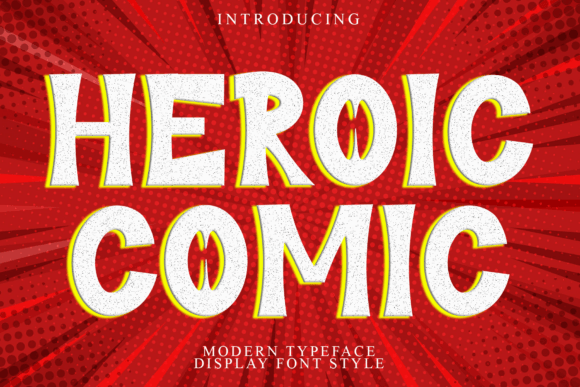
At its core, Heroic Comic is defined by its thick, eye-catching letters. Unlike serif fonts that convey tradition or sleek sans-serifs that suggest modernity and minimalism, this typeface leans heavily into expressiveness. The inspiration drawn from comic book lettering is evident in its irregular strokes and dynamic weight distribution. These features create a sense of movement and immediacy, making it an excellent choice for designs that need to grab attention quickly.
The "heroic" aspect of the name is not accidental. The font carries a sense of confidence and impact. When used in titles, it commands space without appearing aggressive. Instead, it maintains a playful tone that invites engagement. This duality—boldness paired with approachability—is what sets it apart from more rigid display fonts. For professionals researching resources for posters, social media graphics, or packaging, this combination offers a unique value proposition: it communicates excitement while remaining legible.
Comparative Analysis: Heroic Comic vs. Traditional Display Fonts
When evaluating Heroic Comic, it is helpful to compare it against other categories of display typography. Understanding these differences allows for more informed decision-making regarding project fit.
- Versus Standard Sans-Serifs: Common sans-serif fonts are versatile and safe, often used for body text or corporate branding. However, they can feel sterile in creative contexts. Heroic Comic provides the visual weight needed for headlines but adds a layer of personality that standard sans-serifs lack. If the goal is to appear professional yet distant, a sans-serif may be better. If the goal is connection and energy, Heroic Comic is superior.
- Versus Handwritten Scripts: Script fonts offer a personal touch but often suffer from readability issues, especially at smaller sizes or on digital screens. Heroic Comic retains the human, hand-drawn feel of comic lettering but maintains the structural integrity of block letters. This makes it far more versatile for quick reading than intricate scripts.
- Versus Novelty Decorative Fonts: Many novelty fonts sacrifice clarity for gimmickry. While Heroic Comic is playful, it does not compromise on the fundamental shape of the letters. This ensures that the message remains clear even when the design is loud. It strikes a balance between being distinctive and being functional.
This comparison highlights that Heroic Comic occupies a middle ground. It is more expressive than corporate typography but more structured than pure artistic script. For users comparing options, this positioning makes it a reliable choice for projects that require both impact and clarity.
Best-Fit Use Cases: Where Heroic Comic Shines
Identifying the right context for a font is crucial for effective design. Based on its characteristics, Heroic Comic excels in specific scenarios where energy and visibility are paramount.
Titles and Headlines
The primary strength of this font lies in its ability to anchor a design. As a title font, it draws the eye immediately. Whether used for a blog post header, a YouTube thumbnail, or a magazine feature, the thick strokes ensure that the text stands out against busy backgrounds. It is particularly effective in digital environments where users scroll quickly and need a visual hook to stop them.
Posters and Event Marketing
For posters promoting events, sales, or community gatherings, the playful nature of Heroic Comic creates an inviting atmosphere. It suggests that the event will be fun and accessible. Compared to stark, minimalist fonts, it conveys warmth and enthusiasm. This makes it ideal for festivals, workshops, children’s events, or casual social gatherings.
Playful Branding and Packaging
Brands that want to appear approachable and friendly can benefit from incorporating this typeface into their visual identity. It works well on packaging for snacks, toys, or lifestyle products that target a younger demographic or those young at heart. The font’s energy aligns with brands that prioritize joy and simplicity over luxury or exclusivity.
Limitations and Tradeoffs: When to Choose an Alternative
While Heroic Comic is a powerful tool, it is not a universal solution. Recognizing its limitations is just as important as understanding its strengths. Professional advisors and experienced designers know that no single font fits every need.
Readability in Long Form: This font is designed for short bursts of text. Using it for paragraphs or body copy would result in visual fatigue. The thick, irregular shapes that make it exciting in headlines become distracting when read continuously. For long-form content, it is best paired with a clean, neutral sans-serif or serif font.
Tone Mismatch: The playful, comic-inspired aesthetic may clash with serious or somber topics. For legal documents, financial reports, or memorial services, the energy of Heroic Comic would be inappropriate. In these cases, a more traditional, subdued typeface is necessary to maintain credibility and respect.
Scalability Issues: While legible at medium to large sizes, the intricate details of comic-style lettering can lose definition when scaled down significantly. For small footnotes or tiny interface elements, a simpler font structure is more effective.
Decision Factors for Designers and Creators
When deciding whether to integrate Heroic Comic into your workflow, consider the following factors to ensure it aligns with your project goals:
- Audience Expectation: Does your target audience respond well to playful, energetic visuals? If your demographic values humor and informality, this font is a strong match. If they prefer sophistication and restraint, look elsewhere.
- Medium Constraints: Consider where the text will appear. Digital screens favor bold, high-contrast fonts like Heroic Comic. Print media also benefits from its weight, but ensure the printing quality can handle the thick strokes without bleeding.
- Brand Consistency: If you are updating an existing brand, does this font complement your current palette and imagery? It works best when paired with bright colors and dynamic illustrations. It may feel disjointed if used with muted, monochromatic photography.
- Message Clarity: Is the primary goal to entertain or to inform? If entertainment is key, Heroic Comic enhances the message. If the goal is purely informational density, a more neutral typeface may serve the user better.
Practical Tips for Implementation
To get the most out of Heroic Comic, consider these practical application tips. First, use ample white space around the text. Because the letters are thick and bold, they need room to breathe. Crowding them reduces their impact and can make the design feel cluttered.
Second, experiment with color. This font handles bright, saturated colors well. Using a vibrant hue for the text against a contrasting background can amplify its energetic qualities. However, avoid using it in low-contrast combinations, such as light gray on white, as the playful details may become lost.
Finally, pair it wisely. As mentioned, avoid using it for body text. Instead, use it exclusively for headers, call-to-action buttons, or short quotes. Pair it with a simple, geometric sans-serif for the rest of the content. This contrast creates a visual hierarchy that guides the reader’s eye naturally from the exciting headline to the informative body text.
In conclusion, Heroic Comic is a specialized tool in the designer’s toolkit. It offers a distinct blend of boldness and playfulness that can elevate titles, posters, and creative projects. By understanding its strengths, recognizing its limitations, and comparing it thoughtfully against other typographic options, you can make an informed decision. Whether you are refreshing a brand identity or designing a one-off promotional piece, this font provides a reliable way to add energy and fun to your visual communication.