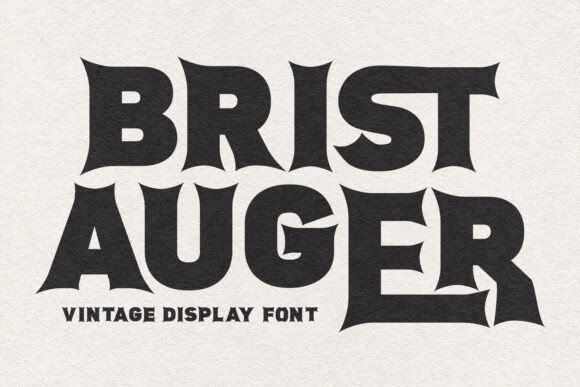
Evaluating Brist Auger for Vintage-Inspired Design Projects
In the expansive landscape of digital typography, selecting the right typeface is a critical decision that influences brand perception and visual hierarchy. Brist Auger has emerged as a notable option for designers seeking a distinct aesthetic rooted in historical design trends. This font is characterized by its bold structure, sharp edges, and unmistakable retro atmosphere. Understanding the specific attributes of Brist Auger allows designers to make informed decisions about when and how to deploy it effectively within their creative workflows.
Understanding the Aesthetic Profile
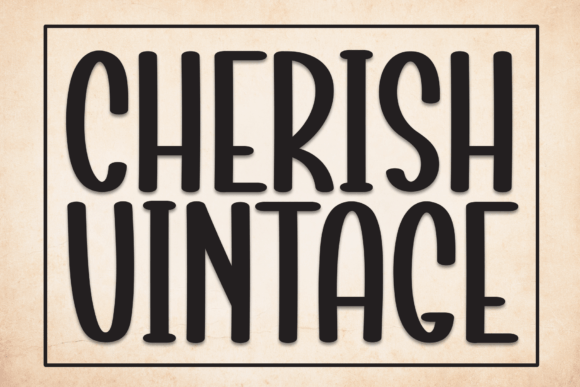
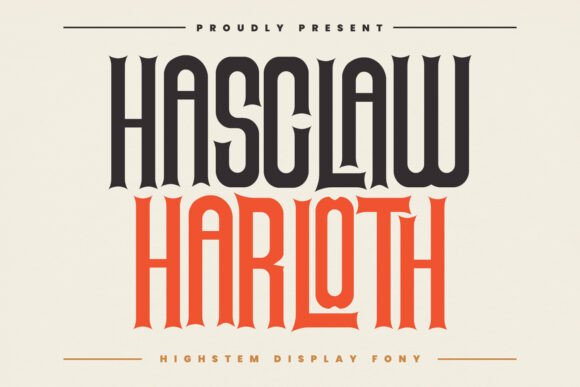
Brist Auger is a display font, meaning it is primarily intended for use at large sizes rather than for body text. Its design philosophy draws heavily from vintage signage and mid-century graphic design. The letters are constructed with thick strokes and pronounced terminals, creating a sense of weight and authority. Unlike softer serif or sans-serif options, Brist Auger features sharp, angular details that contribute to its eye-catching nature.
The "vintage" descriptor is not merely a marketing label but a reflection of its structural integrity. The font mimics the imperfections and stylistic quirks of hand-painted signs and letterpress printing from earlier decades. This results in a typeface that feels both classic and contemporary, bridging the gap between nostalgia and modern minimalism. For projects requiring a strong visual anchor, the unique look of Brist Auger provides a classic touch that stands out against more generic typographic choices.
Strategic Applications and Ideal Use Cases
When evaluating whether Brist Auger aligns with your project goals, it is essential to consider its primary strengths. The font excels in contexts where immediate visual impact is required. Below are scenarios where this typeface is often a strong fit:
- Logo Design: Brands aiming to convey heritage, craftsmanship, or boldness may find Brist Auger suitable. Its thick letters ensure legibility even when scaled down, provided the logo remains relatively simple.
- Poster and Print Advertising: In environments where viewers have limited time to absorb information, such as event posters or retail signage, the high contrast and bold weight of Brist Auger capture attention efficiently.
- Headlines and Titles: As a display font, it is optimized for short bursts of text. Using it for chapter titles, magazine headers, or website hero sections can establish a clear tonal direction for the content that follows.
- Packaging Design: Products that rely on artisanal or retro branding, such as craft beverages, organic foods, or vintage-style apparel, can leverage the font’s authentic feel to enhance shelf appeal.
The key to successful implementation lies in restraint. Because Brist Auger is inherently loud and distinctive, it works best when given ample white space. Crowding the letters or using them in complex layouts can diminish their impact and reduce readability.
Tradeoffs and Limitations to Consider
While Brist Auger offers significant aesthetic benefits, it is not a universal solution. Every design choice involves tradeoffs, and understanding the limitations of this font is crucial for maintaining usability and professionalism.
Readability Constraints: The very features that make Brist Auger striking—its thickness and sharp angles—can hinder readability in smaller sizes or longer passages. It is not suitable for body copy, captions, or any text requiring sustained reading. Attempting to use it for paragraphs will likely result in visual fatigue for the audience.
Contextual Mismatch: The strong vintage personality of Brist Auger may clash with brands seeking a futuristic, ultra-minimalist, or corporate aesthetic. If a project requires a neutral, invisible typeface that prioritizes function over form, this font may introduce unwanted stylistic noise. Designers must ensure that the retro feel aligns with the brand’s core values and target audience expectations.
Licensing and Compatibility: As with any specialized font, users should verify licensing terms for commercial use. Additionally, while most modern design software supports standard font formats, ensuring consistent rendering across different web browsers or operating systems may require additional technical considerations, such as webfont optimization.
Comparative Analysis: When to Choose Alternatives
To determine if Brist Auger is the right choice, it is helpful to compare it against other typographic categories. If your project demands high legibility at small sizes, a clean sans-serif like Helvetica or Open Sans may be more appropriate. These fonts prioritize clarity and neutrality, making them better suited for user interfaces and long-form content.
If the goal is elegance rather than boldness, a refined serif font such as Garamond or Baskerville might offer a more sophisticated vintage feel without the aggressive weight of Brist Auger. These alternatives provide a classic touch but with a softer, more traditional academic tone.
However, if the objective is to create a memorable, statement-making visual identity that leverages nostalgia without appearing dated, Brist Auger holds a competitive advantage. Its specific blend of sharpness and bulk distinguishes it from softer retro scripts or overly distressed grunge fonts, offering a cleaner, more professional vintage aesthetic.
Practical Decision-Making Insights
Integrating Brist Auger into a design system requires thoughtful pairing. To balance its boldness, consider combining it with a simple, lightweight sans-serif for supporting text. This contrast creates a hierarchical structure that guides the viewer’s eye naturally from the headline to the details. Avoid pairing it with other decorative or highly stylized fonts, as this can lead to visual clutter and confusion.
Color selection also plays a pivotal role. The thick strokes of Brist Auger respond well to high-contrast color combinations. Dark text on light backgrounds, or vice versa, ensures maximum legibility. Experimenting with muted, earthy tones can enhance the vintage vibe, while bright, saturated colors can give it a modern pop-art twist.
Ultimately, the decision to use Brist Auger should be driven by the specific communication goals of the project. Ask yourself: Does the brand need to stand out through boldness? Is there a narrative element of history or craftsmanship to highlight? If the answer is yes, this font provides a robust tool for achieving those objectives. If the priority is subtle integration or maximum informational density, other typographic solutions may serve the project better.
By carefully weighing the aesthetic benefits against practical limitations, designers can leverage Brist Auger to create compelling, visually resonant work. Its value lies not just in its appearance, but in its ability to convey a specific mood and era instantly. When used with intention and precision, it transforms ordinary layouts into engaging visual experiences that resonate with audiences seeking authenticity and style.