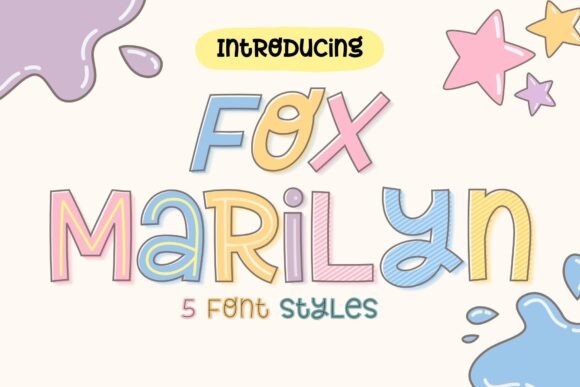
Fox Marilyn: Evaluating a Bold Display Font for Modern Design Projects
When selecting typography for a creative project, the choice often hinges on finding a balance between personality and legibility. Fox Marilyn emerges as a distinct option in the crowded landscape of display fonts, offering a bold and playful aesthetic that commands attention. Unlike traditional serif or sans-serif typefaces designed for long-form reading, this font is engineered specifically for impact. It brings a vibrant and expressive energy to designs, making it a compelling candidate for headlines, branding elements, and merchandise where visual hierarchy is paramount.
For designers, marketers, and content creators aged 20 to 50 who are evaluating resources, understanding the specific niche Fox Marilyn occupies is crucial. It is not a universal solution for every typographic need, but rather a specialized tool for moments that require flair. This article explores the characteristics of Fox Marilyn, compares its utility against broader typographic categories, and provides practical guidance on when to deploy it versus when to seek alternatives.
Defining the Aesthetic and Core Characteristics
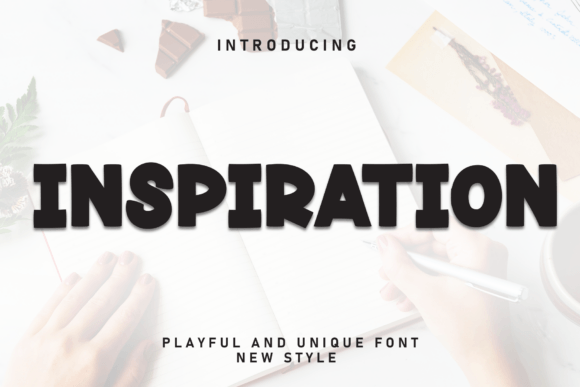
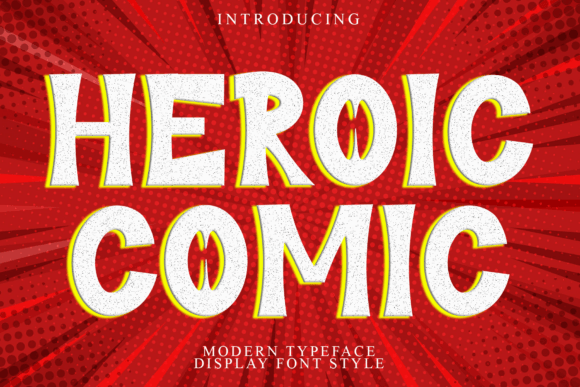
Fox Marilyn is characterized by its thick strokes, rounded terminals, and an inherent sense of movement. The design philosophy behind it leans heavily into the "display" category, meaning it is optimized for large sizes. At smaller point sizes, the intricate details and heavy weight can become muddy, reducing readability. However, when scaled up for banners, posters, or t-shirt graphics, these same features become assets.
The font’s primary strength lies in its ability to convey mood without additional graphical elements. Its playful nature suggests approachability, creativity, and fun. This makes it particularly effective for industries such as lifestyle blogging, children’s products, casual dining, and entertainment. The vibrant quality of the letterforms ensures that even simple text layouts feel dynamic. For instance, a plain white background with black text in Fox Marilyn can still feel energetic due to the varying stroke widths and organic curves of the characters.
Another notable feature is its versatility within the display realm. While it is bold, it does not necessarily scream aggression like some industrial slab serifs. Instead, it maintains a friendly demeanor. This duality allows it to bridge the gap between professional polish and casual charm, a combination that is increasingly valued in modern digital marketing where authenticity is key.
Comparing Fox Marilyn to Other Typographic Approaches
To make an informed decision, it is helpful to compare Fox Marilyn with other common typographic styles. Understanding these distinctions clarifies where Fox Marilyn fits in your design toolkit.
- Versus Minimalist Sans-Serifs: Clean, geometric sans-serifs are the standard for corporate identity and user interface design. They prioritize neutrality and clarity. Fox Marilyn, by contrast, prioritizes expression. If your goal is to blend into the background and let content speak for itself, a minimalist sans-serif is superior. If your goal is to stop the scroll and create an immediate emotional connection, Fox Marilyn is the better choice.
- Versus Handwritten Scripts: Script fonts offer a personal, human touch but often suffer from legibility issues, especially in all-caps or short phrases. Fox Marilyn offers a similar sense of informality but with the structural integrity of a printed typeface. It is easier to read at a distance than most scripts, making it more suitable for signage and packaging.
- Versus Vintage Serifs: Retro-inspired serif fonts evoke nostalgia and authority. Fox Marilyn feels more contemporary and playful. While vintage serifs might suit a law firm or a heritage brand, Fox Marilyn aligns better with startups, influencers, and brands targeting a younger, more dynamic demographic.
This comparison highlights that Fox Marilyn is not a replacement for body text fonts but a complementary asset. It works best when paired with simpler, more neutral typefaces for supporting text. This contrast creates a clear visual hierarchy, guiding the viewer’s eye from the catchy headline to the detailed information.
Practical Use Cases and Best-Fit Scenarios
Identifying the right context for Fox Marilyn is essential for maximizing its impact. Here are several scenarios where this font excels:
- T-Shirt Typography: Apparel design requires fonts that are readable from afar and convey a specific attitude. Fox Marilyn’s bold weight ensures visibility, while its playful style appeals to casual fashion trends. It works well for slogan tees, band merchandise, or event-specific apparel.
- Social Media Graphics: In the fast-paced environment of Instagram or TikTok, visuals must capture attention instantly. Using Fox Marilyn for quote overlays, sale announcements, or video thumbnails can increase engagement rates by making the text pop against busy backgrounds.
- Product Labels and Packaging: For artisanal goods, snacks, or beauty products, packaging needs to stand out on crowded shelves. Fox Marilyn adds a premium yet approachable feel, suggesting that the product inside is both high-quality and fun to use.
- Event Banners and Posters: Whether for a music festival, a local market, or a workshop, event materials need to communicate energy. The expressive design of Fox Marilyn helps convey the excitement of the occasion before the reader even processes the details.
In each of these cases, the font serves as a visual hook. It is not merely conveying information; it is setting the tone. This emotional resonance is what separates effective display typography from generic text.
Limitations and Tradeoffs to Consider
While Fox Marilyn offers significant benefits, it is not without limitations. Recognizing these tradeoffs prevents misuse and ensures professional results.
Readability at Small Sizes: As mentioned earlier, this font is not designed for body copy. Using it for paragraphs, legal disclaimers, or detailed instructions will frustrate readers. The thick strokes and tight spacing can cause letters to merge, creating visual clutter. Always reserve Fox Marilyn for headings, titles, and short phrases.
Contextual Appropriateness: The playful nature of Fox Marilyn may clash with serious or somber topics. It would be inappropriate for financial reports, medical information, or formal invitations. Designers must assess the brand voice and subject matter carefully. If the message requires gravity, solemnity, or strict professionalism, a more traditional typeface is necessary.
Overuse Risk: Because Fox Marilyn is so distinctive, using it excessively can lead to visual fatigue. If every element on a page uses this font, nothing stands out. Effective design relies on contrast. Use Fox Marilyn sparingly as an accent, allowing negative space and simpler fonts to provide balance.
Making the Final Decision
Choosing Fox Marilyn ultimately depends on your specific design goals and target audience. If you are looking to inject energy, playfulness, and modern flair into your project, it is a strong contender. Its ability to transform simple text into a graphic element makes it a valuable resource for creators who want to make a statement.
However, if your project demands high-density information delivery, strict corporate adherence, or subtle elegance, you may need to explore other options. Consider pairing Fox Marilyn with a clean sans-serif for body text to achieve a balanced composition. This approach leverages the strengths of both styles: the attention-grabbing power of Fox Marilyn and the readability of a neutral font.
Before committing to Fox Marilyn for a large-scale project, test it in various contexts. Print it out, view it on different screens, and gather feedback from your target demographic. Does it convey the intended mood? Is it legible in the intended size? These practical tests will confirm whether Fox Marilyn is the right fit for your creative vision.
In conclusion, Fox Marilyn is a powerful tool in the designer’s arsenal, offering a unique blend of boldness and charm. By understanding its strengths, limitations, and ideal applications, you can use it effectively to enhance your designs and connect with your audience on a deeper, more engaging level.