Sarean Font: Evaluating a Hand-Painted Horror Typeface for Design Projects
Typography plays a pivotal role in establishing the tone of any visual project, particularly within genres that rely heavily on atmosphere and emotion. For designers working in the horror, thriller, or supernatural sectors, selecting the right typeface is not merely an aesthetic choice but a functional necessity. Sarean emerges as a notable option in this niche, defined by its dynamic, hand-painted appearance and distinctively creepy character. This article evaluates the characteristics of Sarean, exploring its practical applications, inherent tradeoffs, and suitability for various design contexts to help creators determine if it aligns with their specific project goals.
Understanding the Aesthetic of Sarean
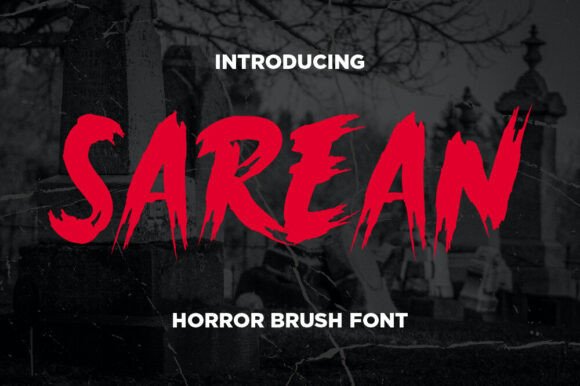
Sarean is a display font designed to evoke unease and tension through its irregular, organic structure. Unlike geometric sans-serifs or traditional serifs that prioritize uniformity and readability, Sarean embraces imperfection. The glyphs appear hand-painted, featuring uneven stroke widths, jagged edges, and a raw texture that mimics the look of brushstrokes applied under duress or with erratic motion. This intentional lack of polish is what gives the font its "horror touch," making it an effective tool for conveying chaos, danger, or the supernatural.
The font’s dynamic nature means that no two letters feel exactly alike in weight or balance. This variability prevents the text from appearing static, adding a layer of visual energy that can be crucial for capturing attention in crowded media landscapes. However, this same characteristic requires careful handling, as the irregularities can impact legibility if not managed correctly.
Primary Applications and Use Cases
Designers typically consider Sarean for projects where mood takes precedence over dense information delivery. Its strongest fit lies in short-form text where the visual impact of the letters contributes significantly to the overall message.
- Movie Titles and Posters: In film marketing, the title font often sets the expectation for the viewer. Sarean’s creepy aesthetic makes it a strong candidate for horror movie titles, thriller posters, or promotional materials for haunted attractions. It immediately signals genre without the need for additional imagery.
- Logo Design: For brands operating in the horror entertainment space, such as escape rooms, horror-themed bars, or indie game studios, Sarean can serve as a distinctive logo element. Its hand-painted quality offers a unique identity that stands out against more corporate, clean-cut typography.
- Apparel and Merchandise: The font’s playful yet eerie vibe translates well to clothing designs. T-shirts, hoodies, and accessories featuring quotes or single words in Sarean can appeal to fans of the horror genre, offering a stylistic alternative to standard block letters.
- Quotes and Social Media Graphics: Short, impactful quotes related to fear, mystery, or Halloween themes benefit from Sarean’s expressive style. It adds emotional weight to text that might otherwise feel flat in a standard typeface.
Evaluating Benefits and Tradeoffs
When deciding whether to incorporate Sarean into a design workflow, it is essential to weigh its artistic strengths against its functional limitations.
Benefits
The primary advantage of Sarean is its ability to instantly communicate a specific mood. It reduces the need for extensive graphic embellishments because the font itself carries significant thematic weight. Additionally, its hand-painted style offers a sense of authenticity and human touch, which can feel more engaging than digitally perfect vectors. For projects requiring a "creepy" or "unsettling" atmosphere, Sarean delivers this efficiently.
Tradeoffs and Limitations
The most significant tradeoff is readability. Due to its irregular strokes and decorative nature, Sarean is not suitable for body text or long paragraphs. Using it for extended reading material would cause eye strain and frustrate users. Furthermore, its niche aesthetic limits its versatility. It is difficult to repurpose Sarean for corporate, educational, or minimalist designs where neutrality and clarity are preferred. Designers must also consider scaling; at very small sizes, the intricate details of the hand-painted strokes may blur or become indistinct, reducing its effectiveness.
Strategic Considerations for Implementation
To maximize the impact of Sarean while mitigating its drawbacks, designers should adhere to several best practices. First, use it sparingly. Reserve Sarean for headlines, titles, or accent words rather than entire sentences. Pairing it with a clean, highly legible sans-serif font for supporting text creates a balanced hierarchy that guides the viewer’s eye without overwhelming them.
Contrast is another critical factor. Because Sarean has a textured, busy appearance, it performs best against simple, solid backgrounds. Placing it over complex images or patterned backgrounds can result in visual clutter, making the text difficult to decipher. High-contrast color combinations, such as white or bright red on black, often enhance its horror aesthetic while maintaining visibility.
Additionally, consider the context of the audience. While Sarean is effective for horror enthusiasts, it may alienate audiences seeking comfort or professionalism. Understanding the target demographic’s expectations is crucial before committing to this typeface.
When to Consider Alternatives
While Sarean is a powerful tool for specific genres, it is not a universal solution. Designers should consider alternative typefaces in the following scenarios:
- High-Readability Requirements: If the project involves instructions, legal disclaimers, or long-form articles, a standard serif or sans-serif font is necessary. Accessibility standards often require clear, predictable letterforms that Sarean does not provide.
- Corporate or Professional Branding: For businesses in finance, healthcare, or technology, the chaotic nature of Sarean may undermine trust and credibility. In these cases, structured, neutral fonts are more appropriate.
- Subtle Horror Themes: If the goal is psychological horror rather than visceral fear, a more restrained typeface with subtle distortions might be more effective. Sarean’s bold, hand-painted style leans toward the overt and dramatic, which may not suit understated narratives.
Making the Final Decision
Choosing Sarean ultimately depends on the specific communicative goals of the project. It is an excellent choice for designers seeking to create immediate visual impact in horror-themed media, entertainment branding, or playful spooky designs. Its hand-painted charm offers a unique personality that can differentiate a project from competitors using generic digital fonts.
However, success with Sarean requires disciplined application. It demands a supportive design environment—clean layouts, high contrast, and complementary secondary fonts—to function effectively. By recognizing its limitations regarding readability and versatility, designers can leverage Sarean’s strengths without compromising user experience. For those evaluating typography options for creepy or dynamic visuals, Sarean represents a specialized, high-impact tool that, when used correctly, can significantly enhance the atmospheric quality of the final design.