Munta: Injecting Playful Personality Into Modern Design Projects
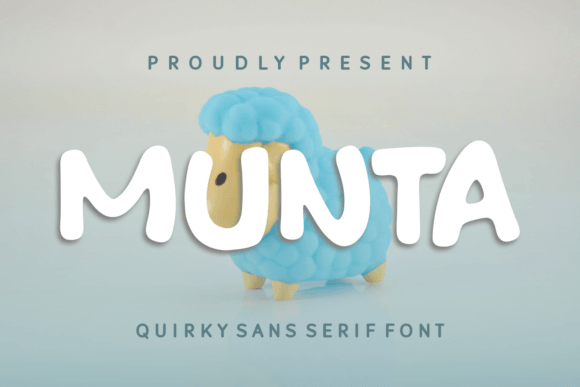
Designers and content creators often face a specific dilemma: how to communicate professionalism without sounding sterile. In a digital landscape saturated with clean, geometric sans-serifs that all look vaguely similar, standing out requires more than just bold colors or high-resolution images. It requires typography that speaks before the reader even processes the words. This is where Munta enters the conversation. As a fun and unique sans-serif font with a quirky style, Munta offers a refreshing alternative to standard typefaces. Its letters are playful and have a modern feel, making it great for creative designs that need a bit of personality.
But beyond the aesthetic description, what does this actually mean for your workflow? Whether you are a freelance graphic designer, a small business owner managing your own social media, or an educator creating engaging handouts, understanding when and why to use a character-driven font like Munta can significantly impact how your audience receives your message.
Beyond the Basics: What Makes Munta Different
Most sans-serif fonts prioritize neutrality. They aim to be invisible vessels for information. Munta flips this script. It retains the readability and structural integrity of a sans-serif but introduces subtle irregularities and whimsical curves that catch the eye. These quirks are not random; they are designed to evoke a sense of approachability and warmth.
For creators aged 20 to 50 who are building brands in crowded markets, this distinction is vital. A font like Munta signals that there is a human behind the brand. It suggests creativity, flexibility, and a lack of rigid corporate stiffness. When you choose Munta, you are not just selecting a typeface; you are setting a tone that says, "We take our work seriously, but we don’t take ourselves too seriously."
Real-World Applications for Creative Professionals
The versatility of Munta allows it to shine in various professional contexts. Here is how different users can leverage its unique characteristics.
Branding for Lifestyle and Creative Businesses
If you run a boutique coffee shop, a handmade jewelry store, or a freelance illustration studio, your visual identity needs to reflect your craft. Standard corporate fonts can make a creative business feel disconnected from its product. Using Munta in your logo, packaging, or business cards creates an immediate emotional connection. It feels artisanal and curated. For example, a bakery using Munta on its menu boards communicates freshness and fun, encouraging customers to linger and explore rather than just grab and go.
Digital Marketing and Social Media Graphics
In the fast-scrolling environment of Instagram, TikTok, or LinkedIn, you have milliseconds to capture attention. Text overlays on images need to be legible but also engaging. Munta’s playful nature makes it ideal for quote graphics, promotional banners, and story highlights. It breaks the monotony of feed aesthetics dominated by heavy, bold headers. Marketers can use it to highlight key benefits or calls-to-action in a way that feels inviting rather than demanding.
Educational Materials and E-Learning
Educators and instructional designers know that engagement is half the battle. Dense textbooks and dry slide decks can cause cognitive fatigue. Incorporating Munta into headings, sidebars, or interactive elements in e-learning modules can reduce perceived difficulty. It makes the material feel more accessible and less intimidating. For teachers creating worksheets for younger students or adult learners, the friendly shapes of the letters can make the learning environment feel safer and more enjoyable.
Strategic Considerations Before You Download
While Munta is a powerful tool, it is not a universal solution. Effective typography is about context. Before applying this font to your next project, consider the following practical factors.
- Readability at Small Sizes: Quirky fonts often rely on unique details that can get lost or become muddy when scaled down. Munta works best for headlines, subheaders, and short bursts of text. Avoid using it for long paragraphs or footnotes where clarity is paramount.
- Tone Alignment: Ensure the playful nature of Munta aligns with your brand voice. If you are a law firm dealing with serious litigation or a medical provider handling sensitive data, a quirky font might undermine trust. However, for a pediatric clinic or a creative agency, it builds rapport.
- Pairing with Neutral Typefaces: To maximize impact, pair Munta with a simple, neutral sans-serif or serif font for body text. This contrast allows Munta to shine as the accent while ensuring the bulk of your content remains easy to read. The interplay between the quirky header and the stable body text creates a balanced visual hierarchy.
Enhancing User Experience Through Typography
User experience (UX) is not just about navigation; it is about how content feels. Websites and apps that use overly rigid typography can feel cold. Integrating Munta into UI elements like buttons, error messages, or onboarding screens can soften the interaction. Imagine a "404 Page Not Found" error written in Munta. Instead of frustration, the user might smile at the playful apology, reducing bounce rates and maintaining a positive brand association even during technical glitches.
For bloggers and publishers, using Munta for pull quotes or section dividers can break up long-form content. It acts as a visual rest stop, encouraging readers to continue scrolling. This strategic use of typography can improve dwell time and engagement metrics, which are crucial for SEO and audience retention.
Making the Right Choice for Your Project
Choosing a font is a subjective decision, but it should be informed by objective goals. Ask yourself: What emotion do I want to evoke? Who is my audience? If your target demographic values authenticity and creativity, Munta is likely a strong candidate. If they prioritize tradition and formality, you may want to reserve it for internal communications or casual social posts rather than primary branding.
Additionally, consider the medium. Digital screens render fonts differently than print. Munta’s modern feel translates exceptionally well on high-resolution displays, making it a favorite for web designers and app developers. However, always test print proofs if you are using it for physical merchandise to ensure the quirky details remain crisp and clear.
Ultimately, Munta is more than just a set of letters. It is a design resource that helps bridge the gap between functional communication and emotional resonance. By understanding its strengths and limitations, you can use it to create designs that are not only seen but felt. Whether you are designing a wedding invitation, a startup pitch deck, or a community newsletter, Munta offers the perfect blend of modern structure and playful charm to make your message memorable.
Remember, the best typography is invisible in its function but visible in its effect. Munta achieves this by being distinct enough to stand out but coherent enough to belong. As you explore new creative avenues, keep this versatile typeface in your toolkit. It might just be the missing piece that turns a good design into a great one.