Evaluating Power Comic: A Versatile Handwritten Font for Creative Design
In the expansive landscape of digital typography, selecting the right typeface is a critical decision that influences how an audience perceives a message. Power Comic has emerged as a notable option for designers seeking a bold, fun, and handwritten aesthetic. This font is characterized by its informal structure and energetic presence, making it a distinctive choice for projects that require a personal or playful touch. Understanding the specific attributes of Power Comic helps designers determine whether it aligns with their creative objectives and technical requirements.
Defining the Aesthetic of Power Comic
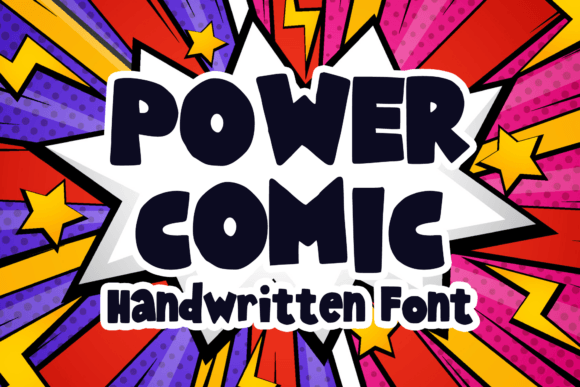
Power Comic is best described as a bold, handwritten comic font. Unlike traditional serif or sans-serif typefaces that prioritize uniformity and strict grid alignment, this font embraces irregularity and organic flow. The strokes mimic the natural movement of a marker or brush, resulting in characters that feel human-made rather than machine-generated. This quality is central to its appeal, as it injects warmth and approachability into visual communications.
The "bold" aspect of the font ensures high visibility, which is essential for headlines and short-form text where immediate impact is necessary. The "fun" element stems from the slight variations in letter height and baseline, creating a dynamic rhythm that keeps the viewer engaged. For those evaluating typography options, it is important to recognize that Power Comic is not designed for neutrality; it is a statement piece intended to convey personality.
Primary Applications and Use Cases
The versatility of Power Comic allows it to elevate a wide range of design projects. However, its effectiveness depends heavily on context. Below are several areas where this font typically performs well:
- Stickers and Decals: The thick strokes and clear shapes make it highly legible at smaller sizes, which is ideal for sticker designs that need to stand out on laptops, water bottles, or packaging.
- T-Shirt Designs: Apparel graphics often benefit from fonts that feel casual and trendy. Power Comic adds a super cool touch to streetwear or casual fashion brands, appealing to younger demographics.
- Logo Design: For brands that want to appear friendly, accessible, and creative, this font can serve as the foundation for a memorable logo. It works particularly well for startups in the entertainment, education, or food industries.
- Comics and Cartoon Drawings: As the name suggests, the font is inherently suited for speech bubbles and narrative text in comic strips. Its style complements illustrated characters without overpowering the artwork.
- Magazine and Book Covers: Titles on covers for children’s books, humor magazines, or lifestyle guides can benefit from the energetic vibe of Power Comic, signaling to the reader that the content inside is lighthearted and engaging.
- Daily Typing and Social Media: Content creators often use such fonts for overlay text on images or videos to maintain a consistent, informal brand voice across platforms.
Benefits of Choosing Power Comic
One of the primary advantages of using Power Comic is its ability to humanize a design. In an era where digital interfaces can feel sterile, a handwritten font bridges the gap between the creator and the audience. It suggests authenticity and effort, which can build trust and rapport with viewers.
Additionally, the font’s bold weight ensures readability even when placed over complex backgrounds. This is a practical benefit for designers working with busy imagery, such as photographs or detailed illustrations. The high contrast between the thick letters and the background helps maintain clarity without requiring excessive drop shadows or outlines.
Furthermore, Power Comic offers a time-saving solution for designers who need a quick way to add character to a layout. Instead of custom-lettering every headline, this font provides a ready-made handwritten look that maintains consistency across multiple pages or assets.
Tradeoffs and Limitations
While Power Comic is effective for specific purposes, it is not a universal solution. Designers must consider its limitations to avoid misapplication. The most significant tradeoff is readability in long-form text. The irregular shapes and informal connections between letters can cause eye fatigue if used for paragraphs or body copy. Therefore, it is generally advisable to reserve Power Comic for headings, titles, and short captions.
Another consideration is tone appropriateness. The playful nature of the font may clash with serious, corporate, or luxury branding. For example, a law firm, a financial institution, or a high-end jewelry brand would likely find Power Comic too casual and potentially undermining to their professional image. In these contexts, a more structured serif or clean sans-serif font would be a better alternative.
Legibility can also vary depending on the size and medium. While it performs well in print and large digital displays, extremely small sizes may blur the distinct characteristics of the handwritten style, making letters difficult to distinguish. Designers should always test the font at the intended output size before finalizing a project.
Comparative Considerations
When evaluating Power Comic against other handwritten or comic-style fonts, several factors come into play. Some alternatives may offer thinner weights, which might be preferable for minimalist designs. Others may have more exaggerated quirks, which could suit niche artistic projects but reduce general accessibility.
Power Comic strikes a balance between uniqueness and familiarity. It is distinct enough to catch attention but standard enough to be easily read by a broad audience. This middle ground makes it a safe yet effective choice for many commercial projects. However, if a project requires extreme novelty or strict geometric precision, designers might need to explore more specialized typefaces.
Practical Decision-Making Insights
To determine if Power Comic is the right fit for your project, consider the following questions:
- What is the emotional goal? If the aim is to evoke joy, creativity, or informality, Power Comic is a strong candidate. If the goal is to convey authority, stability, or elegance, look elsewhere.
- How much text is involved? For titles, logos, and short phrases, this font excels. For articles, reports, or dense information, pair it with a neutral body font to ensure readability.
- Who is the target audience? Younger audiences, families, and creative communities often respond positively to handwritten styles. Professional B2B audiences may prefer more conventional typography.
- What is the medium? Ensure the font renders clearly on the intended platform, whether it is printed merchandise, digital screens, or social media graphics.
Integrating Power Comic into a design system also requires thoughtful pairing. Combining it with a simple, clean sans-serif font for body text creates a balanced hierarchy. This contrast allows the headline to shine while keeping the supporting information easy to scan.
Conclusion
Power Comic is a valuable tool for designers seeking to infuse their work with energy and personality. Its bold, handwritten style makes it suitable for stickers, t-shirts, logos, comics, and various other creative applications. By understanding its strengths in conveying informality and its limitations regarding long-form readability, designers can make informed decisions. When used appropriately, Power Comic elevates design projects by adding a unique, human touch that resonates with audiences seeking authenticity and fun. Ultimately, its success depends on aligning its playful character with the specific goals and context of the design project.