Ebook Font: Elevate Design with Handwritten Elegance
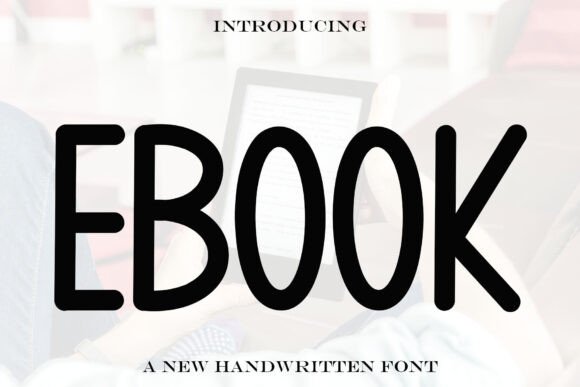
In the crowded digital landscape, typography is often the silent ambassador of your brand. It speaks before a single word is read, setting the tone for the entire user experience. For designers, marketers, and content creators seeking to bridge the gap between modern minimalism and traditional warmth, Ebook emerges as a compelling solution. This trendy handwritten font offers a contemporary atmosphere while maintaining impeccable form, drawing inspiration from timeless classic calligraphy. It is not merely a typeface; it is a tool that adds elegance and class to any design project, helping professionals communicate sophistication without sacrificing readability.
The Intersection of Tradition and Modernity
One of the most significant challenges in contemporary design is balancing authenticity with professionalism. Many handwritten fonts lean too heavily into casual scribbles, which can undermine credibility in business contexts. Conversely, strict serif or sans-serif fonts, while professional, can sometimes feel cold or impersonal. Ebook navigates this middle ground effectively. By referencing classic calligraphy, it retains the human touch and organic flow that audiences crave, yet its refined structure ensures it remains legible and polished.
This duality makes the font particularly valuable for brands that want to appear approachable yet established. When you integrate Ebook into your visual identity, you are signaling attention to detail. The impeccable form of each character suggests that care was taken in the creation process, which subconsciously translates to trust in the product or service being offered. For entrepreneurs and small business owners, this subtle cue can be the difference between a visitor bouncing off a page and engaging with the content.
Practical Applications for Creative Professionals
Understanding where to apply a specific typeface is crucial for maximizing its impact. Ebook is versatile, but it shines brightest in contexts where emotional connection and aesthetic appeal are priorities. Here are several practical scenarios where this font can enhance your work:
- Brand Identity and Logos: For boutiques, wellness coaches, or artisanal products, a logo using Ebook can convey craftsmanship and personal care. It works exceptionally well for businesses that rely on a narrative of heritage or handmade quality.
- Social Media Graphics: In an era where scrolling speed is rapid, visuals must stop the thumb. Using Ebook for headlines or key quotes on Instagram or Pinterest adds a layer of visual interest that standard fonts lack. It helps posts stand out in a feed dominated by generic templates.
- Packaging Design: Physical products benefit immensely from tactile typography. When printed on labels for candles, cosmetics, or gourmet foods, the elegant strokes of Ebook mimic the feel of hand-lettering, enhancing the perceived value of the item.
- Wedding and Event Stationery: While this is a traditional use case for calligraphic fonts, Ebook updates the look for modern couples who want elegance without excessive ornamentation. It reads clearly on invitations while maintaining a celebratory tone.
Enhancing Communication Through Visual Hierarchy
Effective design is not just about beauty; it is about clarity. A common mistake among novice designers is using decorative fonts for body text, which leads to reader fatigue. Ebook is best utilized for headings, subheadings, and short accents rather than long paragraphs. By reserving this font for high-impact areas, you create a clear visual hierarchy. The eye is naturally drawn to the elegant curves of the headline, encouraging the reader to engage with the subsequent information presented in a more neutral typeface.
This strategic application saves time during the design process. Instead of experimenting with complex layouts to create interest, you can rely on the inherent character of Ebook to carry the visual weight. For freelancers and agencies working under tight deadlines, having a reliable, high-quality display font simplifies decision-making. You know that pairing Ebook with a clean sans-serif will yield a professional result, reducing the need for extensive revisions.
Who Benefits Most from This Typeface?
While any creator can appreciate good typography, certain groups will find Ebook particularly aligned with their goals. Educators and publishers creating materials for literature or humanities may use it to evoke a sense of academic tradition mixed with modern accessibility. Bloggers and content marketers can use it to break up text-heavy articles, making them more inviting to read.
Moreover, corporate trainers and HR professionals designing internal communications or recruitment materials can use Ebook to soften the corporate image. It suggests a company culture that values individuality and creativity, which can be a strong selling point for attracting top talent in competitive industries. The font’s ability to add class without appearing stiff makes it a valuable asset for anyone looking to humanize their brand voice.
Considerations for Effective Use
Despite its versatility, Ebook is not a one-size-fits-all solution. It is essential to recognize its limitations to avoid design pitfalls. Because it is inspired by calligraphy, it may not be suitable for highly technical, industrial, or ultra-modern tech brands that prioritize stark minimalism. In such cases, a geometric sans-serif might be more appropriate. Additionally, legibility can decrease at very small sizes. Therefore, it is crucial to test the font across different devices and screen resolutions to ensure that the intricate details remain clear.
Color choice also plays a significant role in how Ebook is perceived. Dark, rich colors like navy, charcoal, or deep burgundy enhance its elegance, while pastel shades can make it feel soft and nurturing. Avoid using low-contrast combinations, as the thin strokes of handwritten fonts can disappear against busy backgrounds. Always ensure sufficient whitespace around the text to let the letters breathe, preserving the "impeccable form" that defines the typeface.
Investing in Quality Design Assets
Choosing the right font is an investment in your brand’s long-term perception. Free, generic fonts often lack the nuanced kerning and stroke variation that premium options like Ebook offer. By selecting a typeface with a contemporary atmosphere and classic roots, you future-proof your designs against fleeting trends. The elegance it brings is timeless, ensuring that your materials remain relevant and sophisticated for years to come.
For those looking to elevate their projects, integrating Ebook is a straightforward way to achieve a high-end look. It requires no advanced design skills to implement effectively; simply placing it in a header can transform the feel of a document. Whether you are designing a website, printing business cards, or creating social media content, this font provides the structural integrity and artistic flair needed to make a lasting impression.
Ultimately, the goal of design is to facilitate communication. Ebook succeeds because it removes barriers between the message and the audience. It invites readers in with warmth and keeps them engaged with clarity. By understanding its strengths and applying it thoughtfully, you can harness its power to create designs that are not only visually appealing but also strategically effective. In a world where first impressions are digital and fleeting, giving your content the elegance it deserves is a smart move for any serious creator.