Inspiration Font: Evaluating a Bold Display Type for Creative Projects
When selecting typography for a design project, the choice of font can significantly influence how the message is perceived. Inspiration is a display typeface that has garnered attention for its distinct personality and visual impact. Characterized by thick strokes and a playful demeanor, it occupies a specific niche in the world of digital typography. This article explores the characteristics of Inspiration, helping designers, marketers, and content creators determine whether it aligns with their specific aesthetic goals and functional requirements.
Understanding the Aesthetic Profile
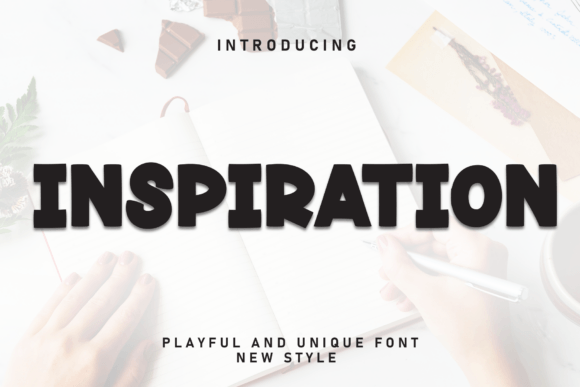
Inspiration is best described as a fun and bold display font. Unlike neutral sans-serifs designed for long-form readability, this typeface is engineered to capture attention immediately. Its letters are thick, creating a heavy visual weight that commands space on a page or screen. The style is lively, often incorporating subtle irregularities or rounded edges that contribute to an energetic and exciting vibe.
The primary function of such a font is not to blend in, but to stand out. It brings a sense of movement and enthusiasm to static designs. For those evaluating typography options, it is essential to recognize that Inspiration is not a utility player; it is a statement piece. Its design prioritizes character and mood over neutrality, making it a tool for expression rather than mere information delivery.
Key Benefits and Strengths
There are several reasons why a designer might choose Inspiration over more conventional options. Understanding these benefits helps in assessing its value for a particular project.
- High Visual Impact: The boldness of the letterforms ensures that headlines and titles are noticed instantly. This is crucial in environments where users scan content quickly, such as social media feeds or poster walls.
- Emotional Resonance: The playful vibe of the font conveys positivity and approachability. It can make a brand feel more human, friendly, and less corporate.
- Versatility in Display Contexts: While limited in body text use, it performs well across various display applications, including logos, packaging headers, and event banners.
- Distinctive Branding: Using a unique display font like Inspiration can help differentiate a brand identity from competitors who rely on standard system fonts.
Ideal Use Cases
To maximize the effectiveness of Inspiration, it should be deployed in contexts that leverage its strengths. The following scenarios represent strong fits for this typeface:
Headlines and Titles
The most natural home for Inspiration is in large-scale text. Whether used for blog post headers, magazine covers, or website hero sections, its thick letters ensure legibility at large sizes while maintaining stylistic flair. It draws the eye and sets the tone for the content that follows.
Logo Design
For brands targeting a youthful, creative, or casual audience, Inspiration can serve as the foundation for a logotype. Its lively style communicates energy and innovation. However, it is best suited for wordmarks where the name itself is short and impactful, allowing the unique shapes of the letters to shine without becoming cluttered.
Promotional Materials
Event flyers, sale banners, and product packaging often require typography that generates excitement. Inspiration’s ability to bring energy to a design makes it an excellent choice for limited-time offers, festival branding, or children’s products. In these contexts, the goal is to evoke an emotional response, and the font’s playful nature supports that objective.
Tradeoffs and Limitations
While Inspiration offers significant aesthetic advantages, it is not without limitations. A balanced evaluation requires acknowledging where this font may fall short.
Readability at Small Sizes: Due to its thick strokes and decorative elements, Inspiration does not scale down well. It is unsuitable for body text, captions, or any content requiring extended reading. Using it for paragraphs will result in visual fatigue and poor user experience.
Tone Mismatch: The playful and bold nature of the font may clash with serious or formal subjects. For industries such as law, finance, or healthcare, where trust and stability are paramount, the lively vibe of Inspiration might undermine the intended message of professionalism and reliability.
Pairing Challenges: Because Inspiration is so dominant, pairing it with other fonts requires care. It needs a neutral, highly legible counterpart for supporting text. Choosing a secondary font that is too stylized can create visual chaos, while one that is too weak may get lost entirely.
Considerations for Selection
Before committing to Inspiration for a project, consider the following factors to ensure it meets your needs:
- Target Audience: Does your audience respond well to casual, energetic visuals? If your demographic prefers minimalism or traditional elegance, this font may not resonate.
- Brand Personality: Evaluate whether "fun" and "bold" are core attributes of your brand voice. If your brand identity is subdued or sophisticated, look for alternatives with thinner weights and more structured forms.
- Medium and Scale: Ensure that the primary application involves large text. If the design requires significant amounts of small print, Inspiration should only be used sparingly for accent purposes.
- Licensing and Usage Rights: Always verify the licensing terms associated with the font file. Ensure that the license covers your intended use, whether commercial, web-based, or print.
When to Consider Alternatives
There are situations where other typographic choices may yield better results. If the project demands high readability across long passages, a clean sans-serif or serif font is a more appropriate choice. Similarly, if the design context is strictly corporate or academic, a more conservative typeface will likely communicate authority more effectively.
Additionally, if the design already contains many complex graphical elements, adding a bold display font like Inspiration might create visual competition. In such cases, a simpler, lighter font could provide necessary balance and allow the graphics to take center stage.
Making the Final Decision
Choosing Inspiration is ultimately about aligning typographic style with communicative intent. It is a powerful tool for injecting energy and personality into designs that need to break through the noise. Its thick letters and lively style are assets when the goal is engagement and memorability.
However, its effectiveness depends on restraint and context. By reserving it for headlines, logos, and key visual anchors, designers can leverage its boldness without overwhelming the viewer. For those seeking to add a touch of fun and distinction to their creative work, Inspiration offers a compelling option. Yet, for projects requiring subtlety, formality, or extensive text readability, exploring alternative typefaces remains a prudent course of action. Careful consideration of the audience, medium, and brand voice will guide you to the right decision, ensuring that the typography enhances rather than distracts from your overall message.