Genuine Intention: Balancing Elegance and Edge in Modern Typography
In the saturated landscape of digital design, finding a typeface that bridges the gap between refined sophistication and raw, contemporary energy is a significant challenge. Designers often find themselves toggling between sterile, corporate sans-serifs and overly decorative scripts that lack legibility at smaller sizes. Genuine Intention emerges as a compelling solution to this dichotomy. It is an eclectic display font that weaves together elegance and versatility, offering a unique aesthetic sharpness that commands attention without sacrificing readability. For professionals seeking to elevate their visual communication, understanding the nuances of this typeface is essential for determining its fit within a broader creative strategy.
The Aesthetic Profile of Genuine Intention
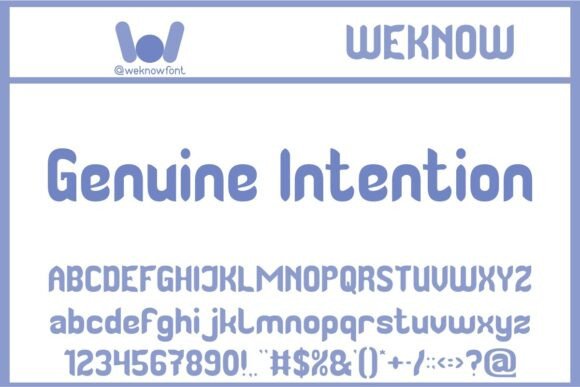
At its core, Genuine Intention is defined by its dual nature. It does not adhere strictly to one historical period or stylistic convention. Instead, it borrows from classical serif structures while injecting modern, angular cuts that provide a sense of urgency and movement. This juxtaposition creates a visual tension that is inherently interesting to the human eye. The font’s strokes are deliberate, suggesting a hand-crafted origin, yet the consistency of its weight and spacing indicates precise digital engineering.
This balance makes it particularly effective for projects requiring a distinct brand voice. Unlike generic fonts that fade into the background, Genuine Intention asserts presence. It is not merely a vessel for text; it is an active participant in the design narrative. The "sharpness" mentioned in its description refers to the crisp terminals and high-contrast transitions between thick and thin lines. These features allow the typeface to cut through visual noise, making it ideal for environments where immediate impact is crucial, such as social media feeds or crowded retail spaces.
Practical Applications in Branding and Identity
For entrepreneurs and marketing professionals, the primary value of a typeface lies in its ability to convey brand values instantly. Genuine Intention excels in corporate identities and brand marquees where the goal is to project confidence and innovation simultaneously. It avoids the coldness of traditional tech fonts while steering clear of the whimsy that might undermine a serious business proposition.
- Logos: The distinctive letterforms provide a strong foundation for logotypes, especially for startups in fashion, lifestyle, or creative agencies.
- Headlines: Its display qualities ensure that headlines remain legible and striking, even when scaled down for mobile interfaces.
- Packaging: In the apparel industry, where texture and feel are paramount, the font’s elegant curves complement fabric textures, adding a layer of premium perception to clothing labels and tags.
The versatility of Genuine Intention allows it to adapt to various industries. While it shines in fashion, it is equally capable of enhancing the visual identity of music albums, movie posters, and game titles. In these entertainment sectors, the font’s distinctive flair helps create an atmospheric tone that resonates with audiences looking for immersive experiences.
Enhancing Editorial and Digital Content
Beyond static branding, Genuine Intention offers substantial value in editorial and digital contexts. Book covers, comics, and cartoons benefit from its ability to add dimension to titles. The font’s character suggests a narrative quality, inviting readers to explore the content further. For publishers and authors, using a typeface with such personality can differentiate a book on a crowded shelf, signaling that the content within is thoughtful and curated.
In the digital realm, the font’s utility extends to social media and web design. An Instagram caption or a YouTube thumbnail requires immediate visual hook. Genuine Intention provides the necessary edge to stop users from scrolling past. Its sharp aesthetics align well with current design trends that favor bold, high-contrast visuals. However, designers must exercise restraint. Because the font is highly expressive, it works best for short bursts of text rather than long-form body copy. Using it for headlines, pull quotes, or call-to-action buttons ensures maximum effectiveness without compromising user experience.
Usability and Technical Considerations
From a technical standpoint, the reliability of a font is as important as its appearance. Genuine Intention is designed with consistent kerning and spacing, which reduces the need for extensive manual adjustment in design software. This efficiency is valuable for freelancers and small business owners who may not have the time or resources for meticulous typographic tweaking. The font files are typically optimized for both print and web use, ensuring that the aesthetic sharpness translates accurately across different mediums.
However, potential users should consider the limitations inherent in display fonts. While Genuine Intention is versatile, it is not a universal solution. Its intricate details may lose clarity at very small sizes, such as footnotes or legal disclaimers. Therefore, it should be paired with a neutral, highly legible sans-serif or serif font for body text. This pairing creates a hierarchical structure that guides the reader’s eye while maintaining overall design harmony.
Who Benefits Most from Genuine Intention?
The ideal user of Genuine Intention is someone who values differentiation and is willing to invest in a cohesive visual identity. This includes:
- Creative Directors and Designers: Those looking for a fresh tool to break out of design ruts and offer clients something unique.
- Small Business Owners: Particularly in lifestyle, fashion, or creative services, who need to establish a premium brand image without a massive marketing budget.
- Content Creators: YouTubers, bloggers, and influencers who need recognizable typography for thumbnails and graphics to build brand recognition.
- Educators and Publishers: Individuals creating materials that need to engage students or readers visually, such as textbook headers or educational comics.
For these groups, the long-term value of Genuine Intention lies in its ability to remain relevant. Trends in typography shift rapidly, but fonts that balance classic elegance with modern edge tend to have greater longevity. By investing in a typeface with such balanced characteristics, designers future-proof their work against fleeting fads.
Making the Decision: Is It Right for Your Project?
Choosing a typeface is a strategic decision. To determine if Genuine Intention fits your needs, consider the emotional response you wish to evoke. If your project requires a tone that is serious yet approachable, sophisticated yet edgy, this font is a strong candidate. It is less suitable for projects requiring extreme minimalism or playful, childlike whimsy.
Test the font in your specific context. Create mockups of your logo, headline, or social media post. Observe how it interacts with your color palette and imagery. Does it enhance the message, or does it compete with it? The best typography supports the content, and Genuine Intention is designed to do just that—adding a layer of professional polish and creative intent that elevates the entire composition.
In conclusion, Genuine Intention represents a thoughtful addition to any designer’s toolkit. It offers a rare combination of elegance and versatility, making it suitable for a wide range of applications from corporate branding to entertainment media. By understanding its strengths and limitations, professionals can leverage this typeface to create designs that are not only visually striking but also strategically effective. In a world where attention is the most valuable currency, having a tool that commands genuine interest is an invaluable asset.