Santa Charming: Mastering the Art of Casual Elegance in Handcrafted Typography
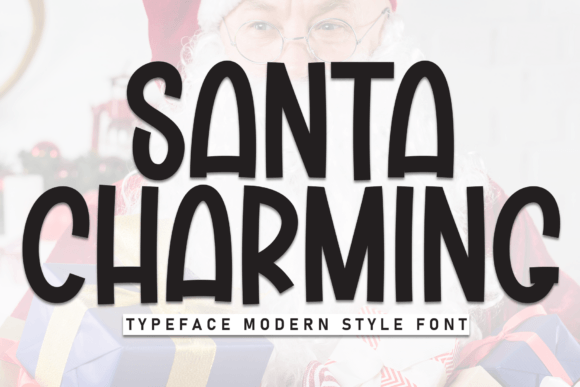
There is a distinct difference between a font that merely looks nice and one that genuinely communicates warmth. Santa Charming falls firmly into the latter category. As a handcrafted display typeface, it offers a masterstroke in casual elegance, blurring the line between sophisticated design and approachable charm. However, many designers and business owners stumble when integrating such expressive typography into their projects. The mistake often lies not in the font itself, but in how it is applied, paired, and scaled.
This vibrant handwritten font seamlessly imbues an endearing quality to any project, making it a fantastic choice for decorative endeavors. Whether you are penning delightful wedding invites, crafting heartfelt cards, or infusing a dash of merriment into branding materials, Santa Charming adds a sprinkle of joy to your creative canvas. Yet, to truly leverage its potential, you must avoid common pitfalls that can undermine its effectiveness.
The Misunderstanding of "Casual" Versus "Careless"
One of the most frequent errors creators make is assuming that because a font is described as "casual" or "handwritten," it requires no structural discipline. This is a dangerous misconception. While Santa Charming exudes a pleasant, relaxed style, it still relies on balance and readability. Using it without regard for spacing or hierarchy can result in a design that looks messy rather than charming.
For instance, placing long paragraphs of body text in Santa Charming is a recipe for reader fatigue. Handcrafted fonts are designed for impact, not endurance. When used excessively, the unique ligatures and varying stroke widths that give the font its character become visual noise. Instead, reserve this typeface for headlines, short quotes, or accent words. Let it breathe. By limiting its use to key elements, you preserve its novelty and ensure that the message remains clear.
Overlooking Context and Audience Alignment
Another critical oversight is failing to match the font’s personality with the brand’s voice. Santa Charming is inherently warm, festive, and inviting. It works beautifully for lifestyle brands, holiday promotions, wedding stationery, and artisanal products. However, applying it to corporate financial reports or high-tech security software creates a cognitive dissonance that can erode trust.
Consider the emotional response you wish to evoke. If your goal is to convey stability, precision, or authority, this font may not be the right tool. But if you aim to connect on a human level, showcasing craftsmanship or personal care, it is ideal. Before downloading or purchasing, ask yourself: Does this font align with the story I am telling? If the answer is ambiguous, step back and evaluate your core messaging. A mismatch here can lead to wasted resources and a fragmented brand identity.
Neglecting Pairing Dynamics
A standalone beautiful font can still fail if it is not paired correctly. Many beginners pair Santa Charming with other decorative or handwritten fonts, resulting in a cluttered and competing visual field. This is a classic design error. To maintain sophistication, you need contrast.
- Pair with Clean Sans-Serifs: A geometric sans-serif provides a modern, stable foundation that allows the handwritten elements to shine without overwhelming the viewer.
- Use Traditional Serifs for Classic Appeal: If you are designing wedding invitations, pairing Santa Charming with a refined serif can enhance the sense of tradition while keeping the tone light and personal.
- Avoid Similar Styles: Do not pair it with other brush scripts or casual markers. The lack of contrast makes the design feel unprofessional and difficult to read.
The goal is harmony, not competition. Let Santa Charming be the star, and let the supporting typeface play the role of the reliable narrator.
Ignoring Technical Legibility at Small Sizes
Handcrafted fonts often feature intricate details, swashes, and varying line weights. These features are stunning at large sizes but can disappear or blur when scaled down. A common mistake is using Santa Charming for small captions, footnotes, or mobile navigation menus. At these sizes, the "charm" turns into illegible scribbles.
To avoid this, always test your design at the actual size it will be viewed. If you are creating digital assets, check how the font renders on different screen resolutions. If you are printing, consider the ink spread on different paper types. If the letters begin to merge or lose definition, switch to a simpler typeface for those specific elements. This simple check can save you from costly reprints or user frustration.
Underestimating the Power of Color and Background
The warmth of Santa Charming can be easily diminished by poor color choices. Placing a light, delicate handwritten font against a busy or low-contrast background renders it invisible. Conversely, using harsh, neon colors can strip away its elegant, endearing quality, making it look cheap.
Opt for backgrounds that provide ample negative space. Solid colors, subtle gradients, or soft textures work best. When choosing text colors, earth tones, deep pastels, or classic blacks and whites often complement the font’s natural vibe. Remember, the font is meant to feel human and organic; your color palette should support that narrative, not fight against it.
Making Informed Decisions Before Implementation
Before you commit to using Santa Charming in a major project, take a moment to evaluate its versatility within your specific workflow. Download the trial version if available, or review the full character set. Check for essential glyphs, punctuation, and multilingual support if your audience is global. Ensure that the license covers your intended use, whether commercial or personal.
Think about the longevity of your design. Trends in handwriting fonts come and go, but genuine craftsmanship remains timeless. Santa Charming’s balanced approach to casual elegance suggests it has staying power, but only if used thoughtfully. By avoiding the traps of overuse, poor pairing, and contextual mismatch, you ensure that your designs remain effective and appealing.
In conclusion, Santa Charming is more than just a font; it is a tool for emotional connection. It invites the viewer in, offering a handshake rather than a barrier. By respecting its limitations and leveraging its strengths, you can create designs that are not only visually striking but also deeply resonant. Take the time to plan, pair, and proofread. Your audience will notice the difference, and your creative canvas will thank you for the added sprinkle of joy.