Integrating Fox Aliyah Into Your Creative Workflow for Maximum Impact
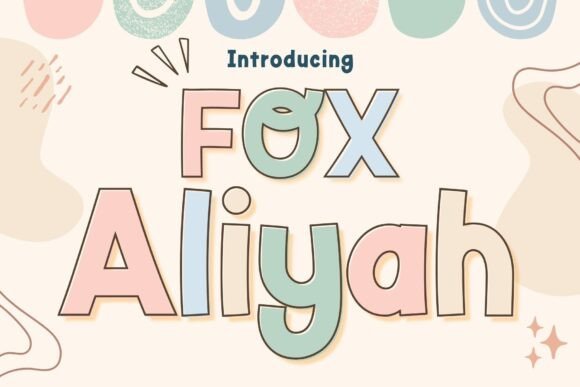
In the fast-paced world of digital design and brand communication, typography is rarely just about readability. It is a primary vehicle for tone, emotion, and immediate visual recognition. When you are managing a project that requires high energy and distinct personality, standard sans-serifs often fall flat. This is where Fox Aliyah enters the creative pipeline. As a bold and playful display font, it serves a specific function: to capture attention instantly and convey a sense of vibrant movement. Understanding how to integrate this typeface into your broader design process can transform static layouts into dynamic visual experiences.
For professionals ranging from marketing managers to independent creators, the challenge is not just finding a unique font, but knowing when and how to deploy it effectively. Fox Aliyah is not a utility player; it is a star performer. Its expressive design makes it ideal for headlines, t-shirt typography, banners, and product labels, but its success depends on strategic placement within your workflow. By treating typography as a structural element of your planning phase rather than an afterthought, you ensure consistency and quality across all deliverables.
Defining the Role of Display Typography in Project Planning
Before opening any design software, effective workflow begins with intent. Ask yourself what emotional response the project needs to evoke. Fox Aliyah is characterized by its captivating and energetic touch. It suggests fun, confidence, and approachability. If your project involves a serious financial report or a legal disclaimer, this typeface is likely incompatible. However, if you are launching a summer campaign, designing packaging for a craft beverage, or creating social media assets for a lifestyle brand, Fox Aliyah aligns perfectly with those objectives.
Integrating this font starts during the mood-boarding and concept development stage. By selecting Fox Aliyah early, you establish a visual anchor that influences color choices, imagery styles, and layout structures. This proactive approach prevents the common pitfall of forcing a playful font into a rigid corporate template at the last minute. Instead, the entire design system evolves around the font’s inherent personality, resulting in a more cohesive and professional final product.
Strategic Applications Across Different Media
The versatility of Fox Aliyah allows it to function across various mediums, but each application requires slight adjustments in execution. Here is how you can apply this typeface in specific contexts:
- Headlines and Hero Sections: On websites and landing pages, the first three seconds are critical. Using Fox Aliyah for main headers creates an immediate hook. Ensure there is ample white space around the text to let the expressive shapes breathe.
- Apparel and Merchandise: For t-shirt typography, the font’s bold nature ensures visibility from a distance. It works exceptionally well when paired with simple graphic elements, allowing the letterforms themselves to act as the primary illustration.
- Product Labels and Packaging: In retail environments, shelf presence is everything. Fox Aliyah can make a product stand out among competitors using generic typography. Use it for the product name or key selling points, while keeping regulatory text in a clean, legible sans-serif.
- Digital Banners and Ads: Social media ads require quick comprehension. The energetic style of Fox Aliyah stops the scroll. Keep copy short and impactful to maximize the font’s visual weight.
Technical Integration and Compatibility
Once you have decided to use Fox Aliyah, the next step is technical implementation. Most modern design platforms, including Adobe Creative Cloud, Figma, and Canva, support custom font uploads or have extensive libraries where such display fonts are available. Ensuring compatibility is crucial for collaborative workflows. If you are working with a team, verify that everyone has access to the font file to avoid substitution errors during the review process.
File format matters too. For web use, ensure you have WOFF or WOFF2 versions to maintain load speed and rendering quality across browsers. For print projects, always use the OTF or TTF files to guarantee crisp edges at large sizes. Neglecting these technical details can undermine the visual quality of even the best-designed piece.
Balancing Expressiveness with Readability
A common mistake when using bold display fonts is overuse. Fox Aliyah is designed to be eye-catching, which means it demands attention. If you use it for body text, long paragraphs, or complex data tables, you will fatigue the reader. The key to professional implementation is contrast.
Pair Fox Aliyah with a neutral, highly legible typeface for supporting content. A clean geometric sans-serif or a classic serif works well as a counterpoint. This hierarchy guides the viewer’s eye: the display font captures interest, and the secondary font delivers information. This balance ensures that your design remains functional while still being aesthetically engaging.
Color and Context Considerations
The vibrant nature of Fox Aliyah interacts dynamically with color. Because the letterforms are expressive, they can handle bold, saturated colors without losing definition. However, consider the background contrast. Light text on a dark background or vice versa ensures maximum impact. Avoid placing it over busy images unless you use a solid overlay or drop shadow to maintain legibility. Testing your designs in grayscale can help you verify that the contrast is sufficient regardless of color choices.
Quality Control and Consistency Checks
As you move through the production phase, consistent application of Fox Aliyah reinforces brand identity. Create a simple style guide that specifies:
- Approved use cases (e.g., headers only).
- Minimum size requirements to prevent pixelation or loss of detail.
- Letter spacing adjustments, if any, that optimize the font’s natural rhythm.
- Color palettes that complement the font’s energetic vibe.
Regular audits of your outgoing materials ensure that the font is not being misused. This is particularly important for small business owners and marketers who may delegate design tasks to freelancers or junior staff. Clear guidelines prevent dilution of the brand’s visual voice.
Long-Term Value and Asset Management
Investing in a distinctive typeface like Fox Aliyah is a long-term strategy. Unlike trending fonts that may feel dated in a year, a well-chosen display font with strong character can remain relevant if used consistently. Organize your font files logically within your digital asset management system. Tag them with relevant keywords such as "display," "bold," "playful," and "headline" to facilitate quick retrieval for future projects.
Furthermore, consider how Fox Aliyah fits into your broader content calendar. If you are planning a seasonal campaign, pre-design templates using this font can significantly reduce turnaround time for subsequent assets. This efficiency allows you to focus on messaging and strategy rather than reinventing the visual wheel for every post or banner.
Final Thoughts on Execution
Successfully integrating Fox Aliyah into your work is less about the font itself and more about the discipline of your design process. It requires understanding its strengths, respecting its limitations, and pairing it with complementary elements. By approaching typography with the same rigor as you would project management or budgeting, you elevate the quality of your output.
Whether you are a freelancer looking to add punch to a client’s brand or an entrepreneur designing your own product line, Fox Aliyah offers a reliable tool for creating memorable visuals. Use it boldly, but use it wisely. Let its energy drive your headlines, but let your strategic planning ensure that the message behind those headlines is clear, compelling, and professionally executed. The result is not just a pretty design, but a functional asset that supports your goals and resonates with your audience.