Gwisha: Integrating Bold Dripping Brush Typography into Professional Design Workflows
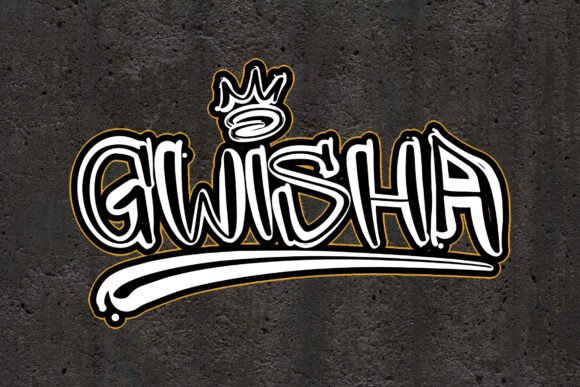
In the crowded landscape of digital marketing and brand identity, visual distinction is not merely an aesthetic preference; it is a functional necessity. Gwisha, a graffiti-inspired typeface characterized by its bold dripping brush style, offers designers and content creators a specific tool for cutting through visual noise. Unlike standard sans-serif or serif fonts that prioritize neutrality, Gwisha prioritizes presence. It introduces unique, eye-catching character shapes that immediately signal energy, urban culture, and artistic flair. However, incorporating such a distinctive asset into professional workflows requires more than simple installation. It demands a strategic approach to placement, compatibility, and hierarchy to ensure the font enhances rather than overwhelms the final output.
Understanding the Role of Expressive Typography in Brand Strategy
Before deploying Gwisha in any project, it is essential to understand where it fits within the broader spectrum of brand communication. Graffiti fonts often carry connotations of rebellion, youth, and street culture. When used correctly, these associations can revitalize a brand’s image, making it appear more approachable, dynamic, and modern. This makes Gwisha particularly effective for industries such as streetwear fashion, music promotion, event management, and lifestyle blogging.
The decision to use a display font like Gwisha should occur during the initial conceptual phase of a design project. It is not a body text solution. Its primary function is to anchor attention. In a typical design workflow, this means identifying the key message or headline that needs to carry the emotional weight of the piece. By reserving Gwisha for these high-impact moments, you preserve its potency. Overuse dilutes its effect, turning a powerful statement into background clutter. Therefore, the first step in implementation is restraint. Define the specific elements—such as main headers, logo marks, or call-to-action buttons—that will benefit from this aggressive, hand-painted aesthetic.
Pre-Production: Preparation and Compatibility Checks
Successful integration of any specialized font begins with technical preparation. Gwisha is designed to stand out, but its complex letterforms and dripping details require careful handling across different platforms. Before committing to a full campaign, verify how the font renders in your intended output mediums. For digital projects, ensure that the webfont version loads efficiently without causing layout shifts. For print materials, check the resolution requirements to ensure the "dripping" effects remain crisp and do not appear pixelated or muddy.
Compatibility with existing brand assets is another critical factor. If your current brand guidelines rely on clean, minimalist typography, introducing Gwisha requires a transitional strategy. You might start by using it in limited-scope projects, such as social media graphics or seasonal promotions, to test audience reception. This phased approach allows you to gather data on engagement and adjust your usage guidelines accordingly. It also helps maintain consistency across channels while gradually expanding the brand’s visual vocabulary.
Pairing with Complementary Typefaces
A common mistake in using bold display fonts is pairing them with equally decorative secondary fonts. To maintain readability and professional polish, pair Gwisha with neutral, highly legible typefaces. Sans-serif fonts with uniform stroke weights work best as they provide a stable foundation that contrasts with the organic, irregular nature of the graffiti style. This contrast creates a visual hierarchy that guides the viewer’s eye from the attention-grabbing headline to the informative body text. The goal is balance: Gwisha provides the personality, while the supporting font provides the clarity.
Execution: Applying Gwisha in Real-World Scenarios
Once the strategic framework is established, the practical application of Gwisha can begin. Here are several workflow examples where this font adds significant value:
- Poster and Event Promotion: In event marketing, the headline must communicate the vibe instantly. Gwisha’s bold strokes convey excitement and urgency. Use it for the event title or headliner name, ensuring it dominates the visual field. Keep supporting details like dates and locations in a simpler font to avoid competition.
- Streetwear and Apparel Design: For clothing brands, typography often serves as the primary graphic element. Gwisha can be applied to t-shirts, hoodies, and caps. Consider how the dripping effect interacts with fabric textures and printing methods. Screen printing may require simplifying the finest drip details to ensure durability and cost-effectiveness, while direct-to-garment printing can capture the full nuance of the brush strokes.
- Social Media Content: On platforms like Instagram and TikTok, static images compete with video for attention. Using Gwisha for quote graphics, announcement slides, or thumbnail text can increase click-through rates. The font’s inherent movement draws the eye, encouraging users to pause and engage. Ensure sufficient contrast between the text color and the background image to maintain legibility on small screens.
- Packaging and Labeling: For products targeting a younger demographic, such as energy drinks, snacks, or cosmetics, Gwisha can differentiate shelf presence. Apply it to the product name or key flavor variants. The urban edge suggests authenticity and boldness, qualities that resonate with consumers seeking non-traditional options.
Quality Control and Consistency Management
Maintaining quality control when using expressive fonts requires vigilant oversight. Because Gwisha has distinct character shapes, inconsistent spacing or alignment can look unintentional rather than stylistic. Pay close attention to kerning, especially when letters with extended drips or tails interact. Manual adjustment may be necessary to prevent overlapping elements that obscure readability. Additionally, establish clear guidelines for color usage. While black and white offer classic contrast, vibrant neon colors can enhance the graffiti aesthetic. However, limit the palette to two or three colors to prevent visual chaos.
Documentation is key to long-term consistency. Create a internal style guide that specifies exactly when and how Gwisha should be used. Include examples of correct and incorrect applications. This resource ensures that all team members, from freelance designers to marketing managers, apply the font uniformly. It also facilitates smoother handoffs between departments, reducing the need for repetitive revisions and approvals.
Long-Term Value and Adaptability
Investing in a unique typeface like Gwisha is not just about a single project; it is about building a versatile asset library. Over time, you can adapt the font to various contexts while maintaining its core identity. For instance, you might experiment with opacity, layering, or texture overlays to create new variations without altering the fundamental letterforms. This adaptability extends the lifespan of the font, preventing it from feeling stale or repetitive.
Furthermore, staying attuned to design trends ensures that your use of Gwisha remains relevant. While graffiti styles have enduring appeal, their execution evolves. Regularly review contemporary design work to see how similar fonts are being used innovatively. This ongoing learning process helps you refine your approach, discovering new ways to leverage Gwisha’s strengths in emerging formats such as augmented reality filters or interactive web experiences.
Final Thoughts on Strategic Implementation
Integrating Gwisha into your design toolkit is a decision that balances artistic expression with functional communication. It is not a universal solution but a specialized instrument for specific objectives. By understanding its role, preparing technically, pairing it wisely, and maintaining strict quality control, you can harness its power to elevate your projects. The result is not just visually striking content, but a cohesive brand narrative that resonates with your target audience. Remember, the most effective design is not always the loudest, but the one that speaks clearly and memorably. Gwisha provides the voice; your strategy provides the message.