Athletic Shirt: Mastering the Bold Display Font for Sports Design
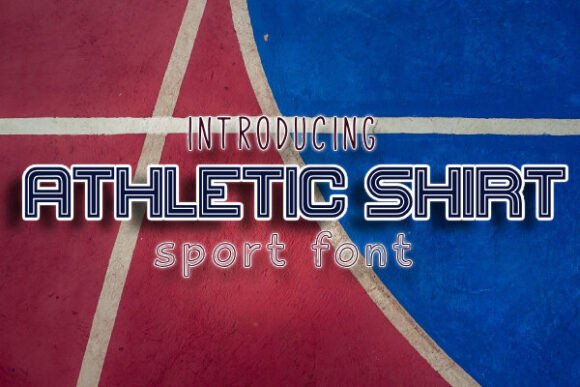
When you are designing for sports teams, athletic wear brands, or high-energy events, typography does more than just convey information; it sets the pace. Athletic Shirt is a bold and sporty display font that has gained traction among designers who need to capture immediate attention. Its strong letters are engineered for readability at a distance, making it an excellent choice for jerseys, banners, and promotional materials where impact is non-negotiable. However, simply downloading a trendy typeface does not guarantee a professional result. Many creators stumble not because the tool is flawed, but because they misunderstand how to wield its inherent intensity.
This guide explores the practical realities of using Athletic Shirt. We will look beyond the aesthetic appeal to address common pitfalls in application, licensing, and hierarchy. By understanding these nuances, you can avoid costly redesigns and ensure your visual communication remains clear, compliant, and compelling.
The Misconception of Versatility
One of the most frequent errors designers make is treating Athletic Shirt as a general-purpose typeface. Because it is labeled as "sporty," there is a temptation to use it for body text, long-form descriptions, or subtle branding elements. This is a fundamental misunderstanding of display fonts. Athletic Shirt is designed with thick strokes and condensed proportions to maximize visibility on moving subjects or large formats. When scaled down for paragraphs or fine print, these features cause the letters to merge, creating visual noise rather than clarity.
Why this matters: Using a heavy display font for small text reduces legibility and increases cognitive load for the reader. It can make your brand appear amateurish, as if you lacked the knowledge to pair fonts correctly.
The Better Approach: Reserve Athletic Shirt strictly for headlines, logos, jersey numbers, and short call-to-action buttons. Pair it with a clean, neutral sans-serif font for supporting text. This contrast creates a dynamic hierarchy where the bold font commands attention without overwhelming the viewer. For example, use Athletic Shirt for the team name on a poster, but switch to a lightweight geometric sans-serif for the event details and date.
Overlooking Licensing and Commercial Rights
In the rush to complete a project, many freelancers and small business owners download fonts from unofficial sources or assume that "free for personal use" covers client work. This is a critical legal oversight. Athletic Shirt, like many premium or semi-premium display fonts, may have specific licensing tiers. Using a personal-use license for a commercial product, such as a line of t-shirts or a paid advertisement, can lead to cease-and-desist orders, fines, and reputational damage.
Key Check: Always verify the license agreement before integrating the font into any monetizable asset. Look for terms regarding "web embedding," "app integration," and "merchandise." If you are designing for a client, ensure you have the right to embed the font in their final deliverables or provide them with the necessary license purchase link.
Practical Advice: Keep a organized folder of your font licenses. If you are unsure about the rights for Athletic Shirt, contact the foundry directly or purchase the appropriate commercial license. The cost of a license is negligible compared to the legal fees associated with copyright infringement.
Ignoring Color and Background Contrast
Athletic Shirt thrives on high contrast. Its bold structure demands a background that allows the letterforms to breathe. A common mistake is placing this font over busy textures, complex photographs, or low-contrast color combinations. For instance, using dark gray text on a black background, or white text over a cluttered action shot, renders the design ineffective. The strength of the font is lost, and the message becomes ambiguous.
Impact on Results: Poor contrast leads to missed communication goals. In sports marketing, split-second recognition is vital. If a fan cannot read the team name or the sale price instantly, the design has failed its primary function.
Solution: Use solid color blocks, gradients, or drop shadows to separate the text from complex backgrounds. If you must place Athletic Shirt over an image, consider adding a semi-transparent overlay behind the text. Test your designs in grayscale to ensure the luminance contrast is sufficient. Remember, the goal is energy, not confusion.
Neglecting Kerning and Spacing
Display fonts often require manual adjustment of kerning (the space between individual characters) and tracking (the overall spacing). Because Athletic Shirt has strong, blocky shapes, default spacing can sometimes feel too tight or uneven, especially in all-caps settings which are common in sports design. Ignoring this detail results in awkward gaps or colliding letters, disrupting the visual flow.
How to Fix It: Zoom in to 400% when refining your headlines. Look for pairs of letters that create unintended white space, such as "A" and "V," or "T" and "o." Adjust the kerning manually to create an even optical rhythm. For all-caps text, slightly increasing the tracking can enhance readability and give the design a more premium, expansive feel. This small effort significantly elevates the perceived quality of the work.
Choosing the Wrong Weight or Style
While Athletic Shirt is known for its boldness, some families include multiple weights or italicized variants. A frequent error is forcing an italic style for speed when the font’s natural upright stance already conveys motion through its slanted terminals or dynamic structure. Over-stylizing can dilute the font’s impact.
Better Practice: Let the font’s inherent design do the work. If you need to suggest movement, consider the layout and composition rather than distorting the typeface. Use the boldest weight for maximum impact on jerseys and signage. If a lighter weight is available, use it only for secondary emphasis, ensuring it remains legible against the intended background.
Final Checklist Before Implementation
Before finalizing any design featuring Athletic Shirt, run through this quick evaluation:
- Legibility Test: Can the text be read clearly from ten feet away? If not, increase size or simplify the background.
- License Verification: Do you have the correct commercial rights for this specific usage?
- Pairing Harmony: Does the secondary font complement the boldness of Athletic Shirt without competing for attention?
- Color Contrast: Is there sufficient difference between the text color and the background?
- Spacing Precision: Have you manually adjusted kerning for optimal visual balance?
By approaching Athletic Shirt with intention and technical precision, you transform it from a simple typeface into a powerful branding asset. It is not just about choosing a font that looks "sporty"; it is about understanding how typography influences perception, usability, and brand authority. Avoid the common traps of misuse, respect the licensing boundaries, and prioritize clarity. When used correctly, Athletic Shirt delivers the dynamic, energetic look that sports and action-oriented designs demand, ensuring your message is not just seen, but felt.