Albatross CPC: Navigating the Nuances of Art Nouveau Typography
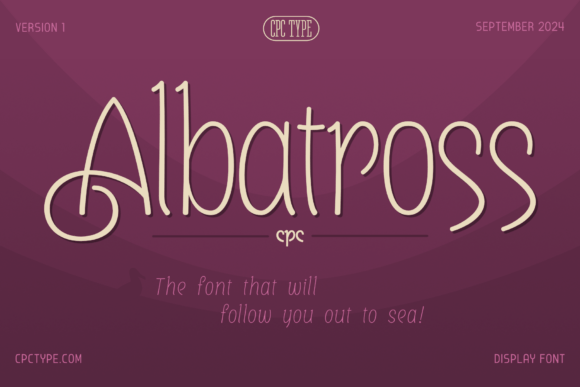
One of my favorite bands growing up in the 90s was Smashing Pumpkins. They used a font with an art nouveau style called Art Gothic for their band name logo, which I liked. I attempted to sketch out Albatross CPC with the memory of that font and the band’s music in mind. However, when I compared the two, it didn’t resemble Gothic art. Instead, it turned into more of a tribute to Art Nouveau. This creative accident highlights a common truth in design: inspiration often leads us down unexpected paths, and understanding the distinct characteristics of typefaces like Albatross CPC is crucial for effective visual communication.
For designers, marketers, and hobbyists alike, selecting the right typeface is not merely an aesthetic choice; it is a strategic decision that influences readability, brand perception, and user experience. Albatross CPC, with its elegant curves and historical nods, offers a unique voice. Yet, many users stumble when integrating such distinctive fonts into modern projects. By recognizing common pitfalls, you can harness the full potential of this typeface without compromising clarity or professionalism.
Misidentifying the Style and Context
A frequent mistake occurs when users conflate Art Nouveau with Gothic or Victorian styles. As seen in the Smashing Pumpkins example, the organic, flowing lines of Art Nouveau are often mistaken for the sharp, structural elements of Gothic typography. Albatross CPC leans heavily into the former. When designers apply it in contexts requiring strict authority or industrial rigidity, the result can feel disjointed. The soft, decorative nature of the font may undermine the seriousness of a legal document or a technical manual.
To avoid this mismatch, always analyze the emotional tone of your project before committing to a typeface. If your goal is to evoke elegance, nostalgia, or artistic flair, Albatross CPC is an excellent candidate. However, if you need to convey speed, technology, or stark minimalism, consider pairing it with a neutral sans-serif rather than using it as the primary text font. This ensures the decorative elements enhance rather than distract from the core message.
Overlooking Readability in Digital Spaces
Another significant oversight involves ignoring screen resolution and legibility constraints. Art Nouveau-inspired fonts often feature intricate details, thin strokes, and elaborate swashes. While these features look stunning in large print headers or logos, they can become illegible on smaller screens or at reduced sizes. Users who deploy Albatross CPC for body text on mobile websites often find that readers struggle to distinguish characters, leading to higher bounce rates and frustrated audiences.
The solution lies in hierarchical usage. Reserve Albatross CPC for headlines, pull quotes, or short introductory statements where its beauty can be appreciated without straining the eye. For longer passages, pair it with a highly readable companion font. This contrast not only improves usability but also creates a dynamic visual rhythm that guides the reader through the content. Always test your chosen sizes on multiple devices to ensure the delicate details remain visible and clear.
Neglecting Licensing and Commercial Rights
Many creators assume that downloading a font file grants them unrestricted usage rights. This is a dangerous misconception that can lead to legal complications and unexpected costs. Albatross CPC, like many professional typefaces, may have specific licensing terms regarding commercial use, web embedding, or modification. Ignoring these details can result in cease-and-desist letters or fines, particularly for small business owners and freelancers who may not have legal buffers.
Before incorporating any typeface into a client project or commercial product, carefully review the license agreement. Look for clauses related to:
- Webfont usage: Does the license allow embedding via CSS?
- App integration: Are there restrictions on mobile or desktop applications?
- Modification rights: Can you alter the glyphs to create a custom logo?
If the standard license does not cover your needs, contact the foundry directly. Investing in the proper license upfront protects your work and supports the typographers who craft these tools.
Failing to Pair with Complementary Typefaces
Using a distinctive font like Albatross CPC in isolation can overwhelm a design. Without proper balance, the ornate qualities dominate the layout, leaving no room for breathing space or informational clarity. A common error is pairing it with another decorative font, creating visual chaos that confuses the viewer. Effective typography relies on contrast and harmony.
When selecting a partner font, look for simplicity. A clean geometric sans-serif or a classic serif with moderate contrast works well. The goal is to let Albatross CPC shine as the accent while the secondary font handles the heavy lifting of information delivery. Consider the following pairing strategies:
- Contrast in weight: Pair the light, airy strokes of Albatross CPC with a bold, sturdy sans-serif for emphasis.
- Contrast in era: Combine the historical feel of Art Nouveau with a modern, minimalist typeface to create a contemporary yet timeless look.
- Contrast in function: Use Albatross CPC for emotional impact and a neutral font for factual accuracy.
Ignoring Color and Background Interactions
The intricate details of Albatross CPC can easily get lost against busy backgrounds or low-contrast color schemes. Designers often place decorative text over textured images or gradient fills without considering how the thin lines interact with the underlying visuals. This reduces legibility and diminishes the font’s aesthetic appeal.
To maintain clarity, ensure high contrast between the text and its background. Solid, muted colors often work best, allowing the flourishes of the font to stand out. If you must use a complex background, consider adding a subtle drop shadow or a semi-transparent overlay behind the text. Additionally, avoid using pure black on pure white, as the high contrast can sometimes make the thin strokes appear jagged on digital screens. Opt for dark gray or deep charcoal for a softer, more refined appearance.
Making Informed Decisions
Choosing a typeface is a blend of art and science. Albatross CPC offers a beautiful bridge to the past, evoking the elegance of Art Nouveau while remaining relevant in modern design. By avoiding common mistakes—such as misidentifying its style, neglecting readability, overlooking licensing, poor pairing, and ignoring color context—you can use this font effectively. Always prioritize the user’s experience and the project’s goals. Test thoroughly, read licenses carefully, and pair wisely. When used with intention, Albatross CPC can elevate your designs, adding a touch of sophistication and historical charm that resonates with audiences across generations.