Webster: A Timeless Typeface for Modern Branding
There is a distinct moment in the design process when a project shifts from being merely functional to feeling genuinely alive. Often, that shift happens not because of a complex layout or a vibrant color palette, but because of the typeface. Webster is one of those rare fonts that carries an inherent sense of warmth and authority simultaneously. It does not shout for attention; instead, it invites the viewer in with a quiet confidence that feels both nostalgic and refreshingly current.
For designers, entrepreneurs, and content creators who are tired of the sterile perfection of generic geometric sans serifs, Webster offers a welcome alternative. It is a premium font that bridges the gap between classic editorial elegance and modern digital clarity. Whether you are building a brand identity from the ground up or looking for the perfect accent for a social media campaign, understanding the nuances of this typeface can elevate your visual communication significantly.
The Visual Personality of Webster
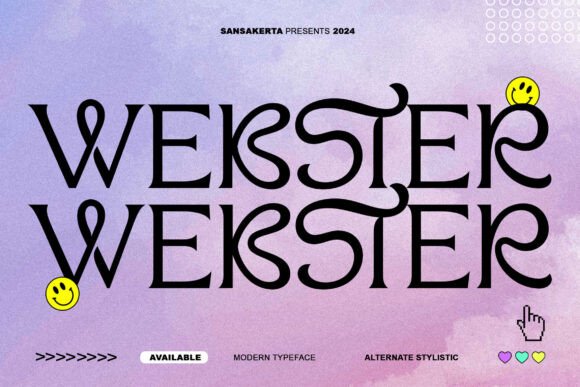
To understand why Webster works so well across diverse mediums, we must first look at its anatomy. While it shares structural DNA with traditional serif fonts, it avoids the rigidity often associated with them. The strokes are fluid, with subtle variations in weight that mimic the natural pressure of a pen on paper. This gives every letter a unique and beautiful touch, ensuring that words never feel mechanical or repetitive.
The curvature of the characters is generous, creating an open and approachable aesthetic. This is crucial for logo design, where legibility at small sizes is just as important as artistic flair. Unlike many script fonts or overly decorative handwritten fonts that sacrifice readability for style, Webster maintains excellent character distinction. The terminals are soft rather than sharp, which contributes to its "lovely" reputation without veering into cloying sentimentality.
This balance makes it a versatile display font. It commands respect in headlines but remains friendly enough for body copy in shorter formats. When you use Webster, you are not just choosing letters; you are selecting a tone of voice that says, "We are professional, but we are also human."
Strategic Applications Across Media
One of the most common mistakes in modern typography is assuming a font belongs to only one category. Webster defies these boundaries. Its adaptability allows it to shine in several key areas of creative work:
- Branding and Logos: For boutique businesses, lifestyle brands, and consultancies, Webster provides an instant sense of heritage. It suggests that the brand has history, even if it launched yesterday. It works exceptionally well for wordmarks where the name itself is the primary visual element.
- Editorial Design: In magazines, zines, or digital publications, Webster excels in pull quotes and chapter headers. It creates a visual hierarchy that guides the reader’s eye naturally through the content, breaking up dense text blocks with moments of visual interest.
- Packaging Design: On physical products, texture and tactile feel matter. Webster’s organic lines complement natural materials like kraft paper, linen, or matte finishes. It is particularly effective for artisanal goods, cosmetics, and specialty food items where the story behind the product is part of the selling point.
- Social Media Graphics: In the fast-scrolling environment of Instagram or Pinterest, clarity is king. Webster stands out against busy backgrounds because of its strong silhouette. It is ideal for quote cards, announcement banners, and story highlights where you need to convey emotion quickly.
When integrating Webster into web design, consider its role carefully. While it is readable, it is best used for headings, navigation menus, and short introductory paragraphs. Pairing it with a clean, neutral sans serif font for long-form body text ensures that the user experience remains smooth and accessible.
Elevating Brand Perception and Engagement
Typography is a psychological tool. The fonts you choose influence how your audience perceives your credibility, quality, and values. Webster influences brand perception by projecting stability and creativity. It tells the audience that you care about details. In a marketplace saturated with template-based designs, using a distinctive creative font like Webster signals that you have invested thought into your presentation.
Consistency is another critical factor. When Webster is used consistently across your design assets—from your business card to your email newsletter footer—it builds recognition. Over time, the specific curves of the 'W' or the tail of the 'y' become associated with your brand. This visual consistency fosters trust, which is the foundation of customer loyalty.
Moreover, Webster enhances audience engagement by making content more enjoyable to read. People are more likely to stop and read a quote if the typography feels inviting. In marketing materials, this can translate to higher click-through rates and longer dwell times on web pages. It transforms passive viewing into active reading.
Practical Guidance for Implementation
Choosing the right typeface is only the first step. To get the most out of Webster, you need to implement it strategically. Here are some practical recommendations for integrating this commercial font into your workflow:
- Evaluate Project Fit: Ask yourself if the tone of your project aligns with Webster’s personality. If you are designing for a high-tech cybersecurity firm, Webster might be too soft. However, for a wellness coach, a wedding planner, or a literary podcast, it is nearly perfect. Match the font’s emotion to your message.
- Master Font Pairing: Webster pairs beautifully with simple, geometric sans serifs. Look for pairings that offer contrast in structure but harmony in x-height. Avoid pairing it with other serif fonts unless you are an experienced typographer, as this can create visual clutter. The goal is to let Webster be the star while the supporting font handles the heavy lifting of information delivery.
- Test Readability: Always test your chosen size and leading (line spacing). Because Webster has unique character shapes, it may require slightly more breathing room than standard system fonts. Ensure that kerning is adjusted for specific letter combinations in logos to maintain visual balance.
- Review Licensing: Before using Webster in any client work or commercial product, verify the licensing terms. As a premium font, it typically requires a commercial license for resale items or broad digital distribution. Respecting intellectual property is a hallmark of professional practice.
Ultimately, Webster is more than just a collection of glyphs; it is a design partner. It brings a level of sophistication and charm that is difficult to replicate with free, system-default alternatives. By understanding its strengths and applying it with intention, you can create designs that not only look beautiful but also resonate deeply with your audience. Whether you are crafting a new logo design or refreshing your entire visual identity, Webster offers the timeless appeal needed to make your work stand out in a crowded digital landscape.