Unlocking Visual Impact: A Comprehensive Guide to the Knobber Comic Font
In the vast landscape of graphic design, typography serves as the voice of your visual message. While serif and sans-serif fonts dominate corporate communications and long-form reading, there exists a vibrant niche for typefaces that convey personality, playfulness, and approachability. Among these, Knobber stands out as a distinctive comic-style font that bridges the gap between casual charm and professional utility. This article explores the unique characteristics of Knobber, its practical applications across various media, and how designers can leverage its specific aesthetic to enhance their creative projects.
The Anatomy of Playful Typography
To understand why Knobber is such a valuable asset in a designer’s toolkit, one must first appreciate the psychology behind comic fonts. Unlike rigid geometric typefaces, comic styles mimic the organic imperfections of hand-lettering. They feature irregular stroke widths, rounded terminals, and a baseline that often feels slightly bouncy or dynamic. Knobber embodies these traits with precision. It is not merely a novelty item; it is a carefully crafted typeface designed to evoke warmth and accessibility.
The name itself suggests a tactile quality, hinting at the rounded, knob-like terminals that define its character shapes. These soft edges reduce visual aggression, making the text feel inviting rather than demanding. For brands and creators aiming to establish a friendly rapport with their audience, this subtle psychological cue is invaluable. The font avoids the childishness that plagues many amateur comic fonts, instead offering a mature yet whimsical aesthetic that respects the viewer’s intelligence while engaging their emotions.
Strategic Applications in Print Media
One of the primary strengths of Knobber lies in its versatility within print media. When utilized correctly, it transforms static designs into engaging visual experiences. Let us examine three key areas where this font excels: posters, flyers, and merchandise.
Eye-Catching Posters
Posters are often viewed from a distance and for a brief moment. In this context, legibility and impact are paramount. Knobber’s bold structure ensures that headlines remain readable even when scaled up significantly. Whether promoting a local community event, a music festival, or an educational workshop, using Knobber for the main title creates an immediate sense of energy. Designers should pair it with a clean, neutral sans-serif font for body text to maintain balance. This contrast allows Knobber to shine as the focal point without overwhelming the viewer with too much stylistic noise.
Informative Flyers
Flyers serve a different purpose than posters; they are often held in the hand and read more closely. Here, Knobber can be used more liberally. It works exceptionally well for subheadings, call-to-action buttons, or highlighted quotes. For instance, a flyer for a children’s library reading hour might use Knobber to highlight the story title, creating a thematic link to the narrative nature of comics. The key is moderation. Using the font for entire paragraphs can lead to reader fatigue due to its irregular rhythm. Instead, use it to guide the eye through the hierarchy of information, ensuring that critical details stand out against the background.
Apparel and T-Shirt Design
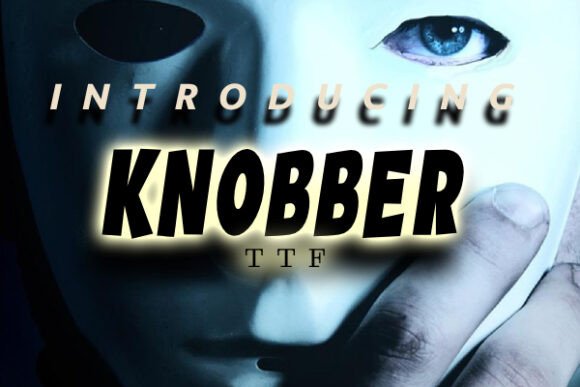
The fashion industry, particularly the streetwear and casual apparel sectors, has embraced typography as a central design element. Knobber is a comic font that will fit great on any of Your designs, especially when applied to t-shirts. Its rounded forms translate well to screen printing and heat transfers, maintaining integrity even on textured fabrics. Designs featuring short, punchy phrases or single words benefit immensely from Knobber’s character. It adds a layer of irony or humor to otherwise simple garments, appealing to consumers who value self-expression and individuality. When designing for apparel, consider the placement carefully; centering a Knobber headline on the chest or back creates a classic, balanced look that resonates with a broad demographic.
Digital Integration and User Experience
While print remains a strong suit for Knobber, its application in digital spaces is equally significant. In web design and social media graphics, attention spans are shorter, and competition for visibility is fiercer. A well-placed comic font can stop the scroll. However, digital implementation requires careful consideration of resolution and loading times.
For social media posts, Knobber can be used to create quote cards, event announcements, or promotional banners. Its friendly demeanor aligns well with platforms like Instagram and Pinterest, where aesthetics drive engagement. When using the font in digital interfaces, ensure that the file format is optimized for web use. Vector formats like SVG are ideal for logos and icons, while WOFF or WOFF2 formats should be used for web fonts to ensure fast loading and crisp rendering across different devices and browsers.
Moreover, accessibility must remain a priority. While Knobber is highly legible for headlines, it may not meet accessibility standards for small body text on screens. Designers should always test contrast ratios and font sizes to ensure that users with visual impairments can still access the content. Pairing Knobber with a highly readable sans-serif font for descriptive text ensures that the design remains inclusive while retaining its playful edge.
Best Practices for Pairing and Layout
Successfully integrating Knobber into a design project requires an understanding of typographic harmony. A common mistake is pairing it with another decorative or handwritten font, which can result in visual clutter and confusion. Instead, opt for simplicity in supporting elements.
- Contrast is Key: Pair Knobber with a structured, geometric sans-serif font. This juxtaposition highlights the organic nature of Knobber while providing a stable foundation for the layout.
- White Space: Give Knobber room to breathe. Because of its unique shapes, it requires more surrounding white space than standard fonts to avoid feeling cramped.
- Color Psychology: Knobber works well with bright, saturated colors that reinforce its energetic vibe. However, it can also be effective in monochrome schemes, where its shape alone carries the visual weight.
- Hierarchy: Use Knobber strictly for emphasis. Reserve it for titles, headers, and short calls to action. Avoid using it for long blocks of text, as the irregular letterforms can slow down reading speed.
Target Audiences and Market Relevance
Who benefits most from using Knobber? The answer spans a wide spectrum of professionals and creators. Educators can use it to make learning materials more engaging for younger students. Small business owners, particularly those in creative industries like baking, crafting, or pet care, can use it to convey a handmade, personal touch. Marketing agencies might employ it for campaigns targeting millennials or Gen Z, demographics that often respond positively to authentic, less corporate aesthetics.
Furthermore, hobbyists and DIY enthusiasts find value in Knobber for personal projects. From birthday invitations to custom labels for homemade jams, the font adds a professional polish that free, default system fonts lack. Its availability and ease of use make it accessible to non-designers who still wish to produce high-quality visual content.
Technical Considerations and Licensing
Before incorporating Knobber into any commercial project, it is essential to review the licensing terms. Font licenses vary widely, and using a font without proper authorization can lead to legal complications. Most reputable font foundries offer clear guidelines regarding personal versus commercial use. Ensure that you have the appropriate license for the intended medium, whether it is print, web, or app embedding.
Additionally, consider the technical aspects of file management. Keep original vector files organized and backed up. When sharing designs with clients or printers, provide outlines or embedded fonts to prevent substitution issues. This attention to detail reflects professionalism and ensures that the final output matches the designer’s vision exactly.
Conclusion: Embracing Character in Design
In a world increasingly dominated by minimalist and sterile design trends, fonts like Knobber offer a refreshing alternative. They remind us that communication is not just about transmitting information but also about establishing a connection. By choosing a typeface with personality, designers inject humanity into their work. Knobber is not just a tool; it is a statement of intent. It signals that the brand or creator values joy, approachability, and creativity. Whether you are designing a poster for a local fair, a flyer for a startup, or a t-shirt for a boutique brand, Knobber provides the perfect blend of whimsy and professionalism. Embrace its unique character, respect its limitations, and let it elevate your designs from ordinary to memorable.