Linu: Strategic Typography for Clearer Communication and Brand Impact
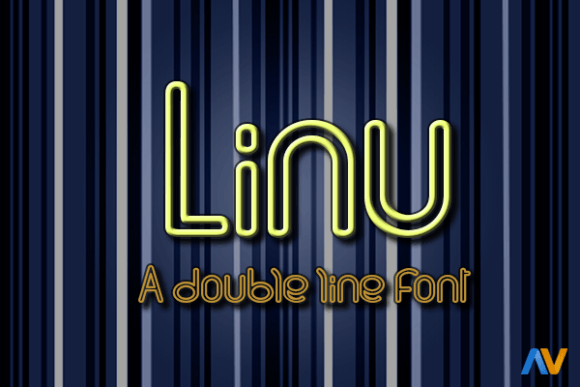
In the crowded landscape of digital communication, clarity is not merely an aesthetic preference; it is a strategic asset. When you choose a typeface, you are making a decision about how your message will be received, processed, and remembered. Linu, a masterfully designed double-lined font, represents more than a stylistic choice. It is a tool for differentiation. For entrepreneurs, marketers, and creators who understand that visual identity drives engagement, Linu offers a unique pathway to elevate creative ideas without sacrificing readability or professionalism.
The appeal of Linu lies in its structural integrity. As a double-lined typeface, it creates a distinct visual rhythm that captures attention while maintaining the clean lines necessary for modern design. This balance is rare. Many decorative fonts sacrifice legibility for flair, while standard sans-serifs often blend into the background noise of the internet. Linu occupies the middle ground, offering character and presence. Understanding when and how to deploy this font can significantly impact your branding efforts, marketing materials, and overall user experience.
The Strategic Value of Double-Lined Typography
To use Linu effectively, one must first understand the psychology of double-lined typography. Unlike solid strokes, double lines create negative space within the letterforms themselves. This internal spacing draws the eye and slows down the reading process slightly, encouraging the viewer to linger. In a world where attention spans are fragmented, this micro-pause can be the difference between a scroll-past and a meaningful engagement.
For business owners and content creators, this characteristic makes Linu particularly useful for headlines, logos, and short-form statements. It signals intentionality. When a brand uses a font like Linu, it suggests a level of craftsmanship and attention to detail that resonates with discerning audiences. It is not a default choice; it is a curated one. This perception of quality can transfer to your products or services, enhancing brand equity over time.
However, the strategic value extends beyond mere aesthetics. Linu supports clear hierarchy in design. By reserving this distinctive style for key messages, you guide the reader’s eye through your content. You tell them what matters most. This is crucial for landing pages, presentation decks, and educational materials where information overload is a constant risk. Using Linu for primary headings allows secondary information to recede, creating a clean, organized visual structure that aids comprehension.
Integrating Linu into Brand Identity and Positioning
Brand positioning is about carving out a specific space in the consumer’s mind. Your typography is a vocal component of that position. If your brand values innovation, precision, and modernity, Linu aligns well with those attributes. Its geometric yet organic feel suggests forward-thinking without being overly futuristic or cold. It feels approachable yet sophisticated.
Consider the following scenarios where Linu can strengthen your brand narrative:
- Logo Design: A logotype built with Linu stands out in social media avatars and website headers. The double lines provide enough complexity to be memorable but remain scalable for smaller applications.
- Packaging and Print: On physical products, Linu adds a tactile sense of depth. Even in two-dimensional print, the double lines create an illusion of dimension, making packaging feel premium and substantial.
- Digital Campaigns: In email newsletters or social media graphics, using Linu for call-to-action buttons or key benefits can increase click-through rates by making those elements visually distinct from body text.
It is essential, however, to maintain consistency. Randomly inserting Linu into various materials without a cohesive strategy dilutes its impact. Develop guidelines that specify exactly where and how Linu should appear. Define its relationship with your secondary fonts. This discipline ensures that every touchpoint reinforces your brand identity rather than confusing it.
Practical Applications for Creators and Professionals
For freelancers, educators, and publishers, Linu serves as a versatile asset in diverse projects. Its readability at larger sizes makes it ideal for posters, book covers, and slide titles. When designing educational materials, for instance, using Linu for chapter headers can help students navigate content more easily. The visual break provided by the double lines acts as a cognitive marker, signaling a transition in topics.
Bloggers and content marketers can leverage Linu to break up long-form articles. Instead of relying solely on bolding or color changes, a subheading in Linu creates a stronger visual anchor. This improves the scanability of your content, which is critical for retaining readers who skim before committing to deep reading. Better scanability leads to longer dwell times, which positively influences search engine rankings and user satisfaction.
Moreover, Linu supports creative experimentation. Because it has a strong personality, it pairs well with neutral, minimalist body fonts. This contrast allows designers to push boundaries in layout and composition without overwhelming the viewer. You can use generous whitespace around Linu text to create a sense of luxury and calm, or layer it over images to create dynamic, editorial-style visuals. The key is to let the font breathe. Crowding Linu diminishes its elegance and reduces its effectiveness.
Risks and Considerations: When Not to Use Linu
While Linu is powerful, it is not a universal solution. Misusing it can lead to poor user experience and diminished credibility. The primary risk lies in legibility at small sizes. The double-line structure requires sufficient space to remain clear. Using Linu for body text, footnotes, or dense paragraphs is ill-advised. At small point sizes, the lines may merge or appear blurry, especially on lower-resolution screens. This frustrates readers and undermines your message.
Another consideration is context. Linu carries a modern, somewhat artistic tone. It may not be suitable for highly traditional, conservative, or legal contexts where strict formality is expected. In such cases, a classic serif or a neutral sans-serif might be more appropriate. Always evaluate the emotional tone of your audience. If they expect seriousness and tradition, Linu might feel too playful or unconventional.
Additionally, avoid overuse. Because Linu is distinctive, using it excessively can cause visual fatigue. If every headline, subhead, and caption is in Linu, nothing stands out. Reserve it for moments that truly require emphasis. Think of it as a spice rather than the main ingredient. A little goes a long way in enhancing the overall flavor of your design.
Planning for Long-Term Results
Adopting Linu is not just a design decision; it is a long-term commitment to a visual language. To achieve sustainable results, integrate it into your broader content strategy. Plan your templates, social media grids, and presentation decks with Linu in mind from the start. This proactive approach saves time and ensures consistency across all channels.
Test its performance. Monitor how your audience responds to designs featuring Linu compared to those using other typefaces. Look at engagement metrics, feedback, and conversion rates. Data-driven insights will help you refine your usage. Perhaps Linu works best for video thumbnails but less so for email subject lines. These nuances matter. By observing and adapting, you ensure that your typographic choices continue to support your business goals.
Furthermore, consider accessibility. Ensure that the contrast between Linu text and its background meets web accessibility standards. The double lines can sometimes reduce perceived contrast if not handled carefully. Use high-contrast color combinations and test your designs with accessibility tools. Inclusivity should never be compromised for style. When done correctly, Linu can be both beautiful and accessible, broadening your reach and demonstrating social responsibility.
Making Intentional Design Decisions
Ultimately, the power of Linu comes from intentional use. It is not about following trends but about solving communication problems. Ask yourself: What do I want the viewer to feel? What action do I want them to take? How does this font support that objective? If the answer is clarity, distinction, and modern elegance, then Linu is likely a strong candidate.
Approach your design projects with a mindset of strategic planning. Sketch your layouts, define your hierarchy, and select your typefaces with purpose. Let Linu serve as a tool to elevate your ideas, not just decorate them. When you align your typographic choices with your broader goals, you create cohesive, impactful experiences that resonate with your audience.
In conclusion, Linu offers a unique blend of style and substance. For those willing to invest the thought and planning required to use it well, it provides a competitive edge in visual communication. It helps you stand out in a saturated market, convey quality, and guide your audience through your content with grace. By understanding its strengths, respecting its limitations, and applying it strategically, you can transform your creative ideas into tangible results. The goal is not just to be seen, but to be understood and remembered. Linu, when used with precision, helps you achieve exactly that.